Glossary

What is Pounds per Square Inch?

Pounds per Square Inch is a unit of pressure that measures the force applied by one pound of weight on an area of one square inch. It shows how much push or pull a fluid or gas exerts inside pipes, tanks. Or HVAC systems. Higher values mean stronger force; lower values mean weaker force.

Sources reviewed: U.S. Environmental Protection Agency - Refrigerant Pressure-Temperature Charts, ASHRAE Handbook - HVAC Systems and Equipment

Quick Facts About Pounds per Square Inch

Category

Pressure measurement

Used for

HVAC refrigerant, tire pressure, water systems

Common confusion

PSI vs. PSIA (PSI absolute includes atmospheric pressure)

Also called

PSI

Often discussed with

AC Maintenance, 24/7 Emergency AC Repair

Key Takeaways About Pounds per Square Inch

Understanding Pounds per Square Inch

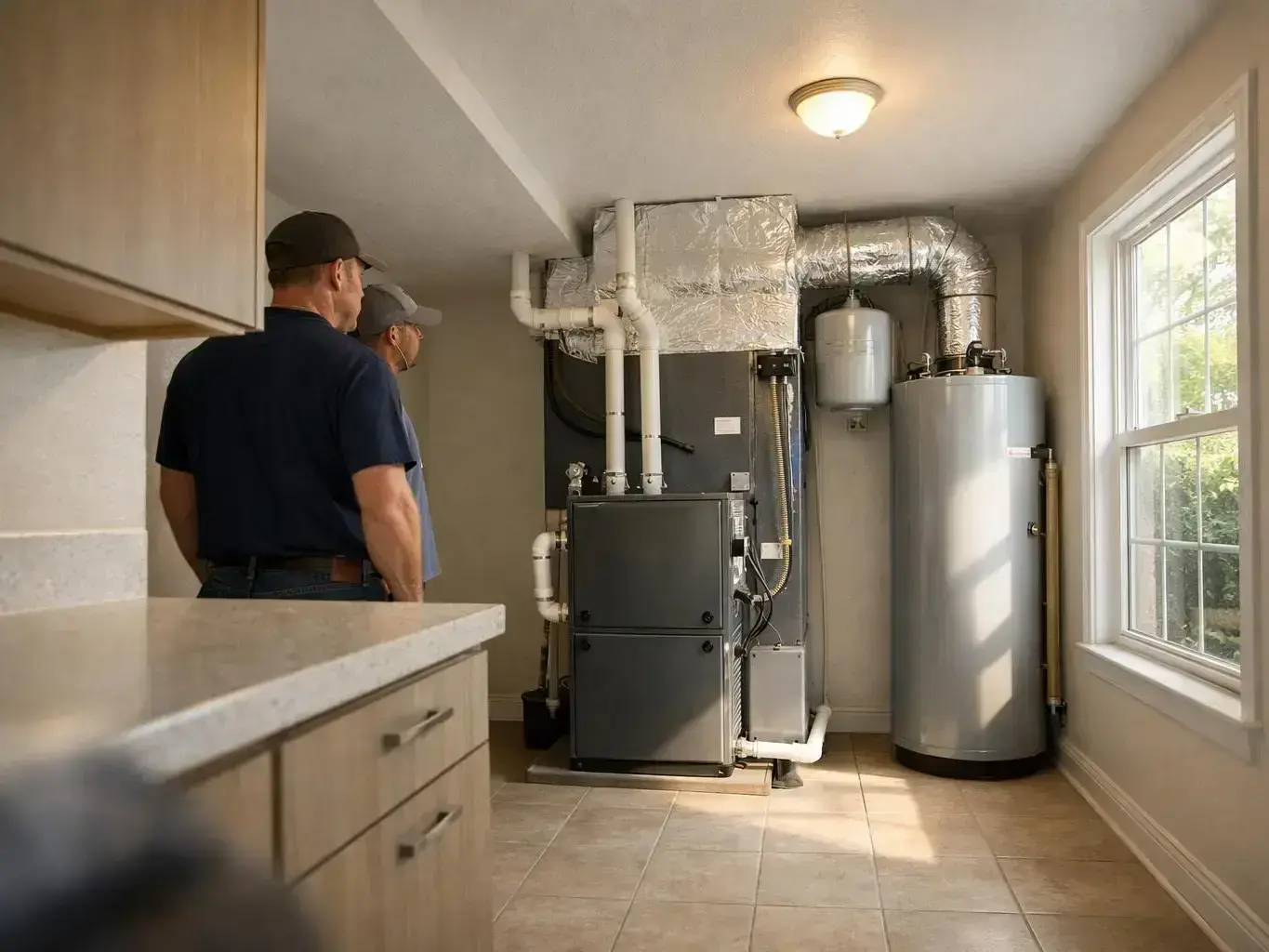
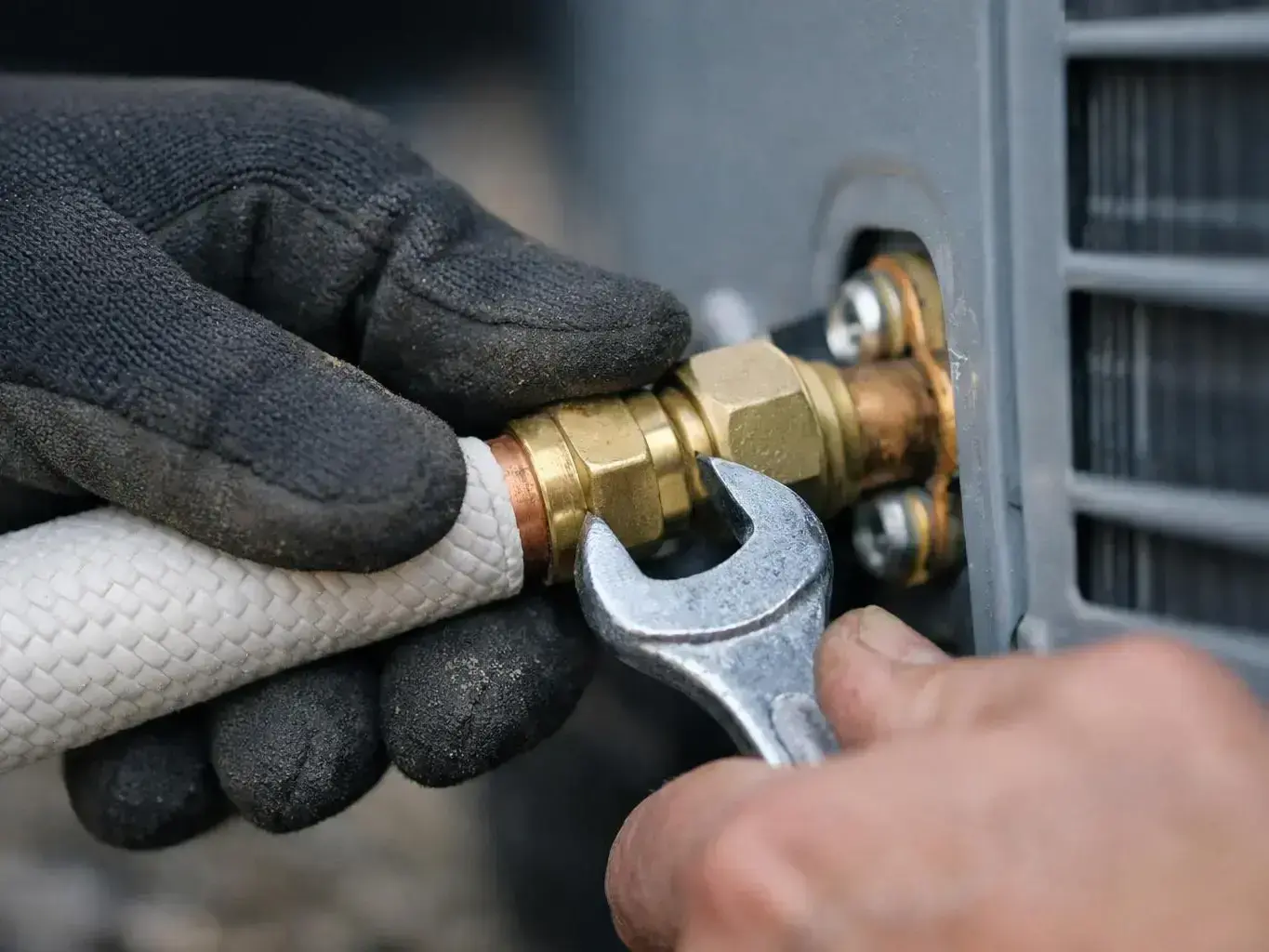
Pounds per Square Inch in HVAC Contractor: Pounds per Square Inch is a unit of pressure that measures the—visual guide

PSI means pounds per square inch. It shows how hard a gas or liquid pushes.

Related glossary terms: Refrigerant, Compressor, CFM.

Think of a book on a table. If it weighs one pound, it presses one PSI.

In HVAC systems, refrigerant gas flows through coils. The PSI tells techs how hard it pushes.

This helps them know if the system works right. It also shows if there's a problem.

Pressure affects air conditioners and furnaces. Too much can break parts or wear them out.

Too little means the system won't heat or cool well. PSI helps find leaks too.

If pressure drops, refrigerant might be escaping. Techs use gauges to check PSI.

It's like a tire gauge for your car.

How Pounds per Square Inch Is Measured and Used?

Techs use a manifold gauge set. It connects to ports on the AC unit.

One gauge reads low pressure. The other reads high pressure.

The low side usually shows 50 to 70 PSI. The high side can reach 200 to 300 PSI.

This depends on the refrigerant and outdoor temperature.

Readings help techs decide if the system needs more refrigerant. They show if there's a blockage.

They also show if the system works right.

PSI changes with temperature. When it's hot, refrigerant expands.

This makes pressure go up. When it's cold, refrigerant contracts.

Then pressure goes down. HVAC systems have different PSI settings.

They change for summer and winter. Techs compare readings to charts.

The charts show correct values for each temperature. If numbers don't match, something is wrong.

Why Pounds per Square Inch Matters?
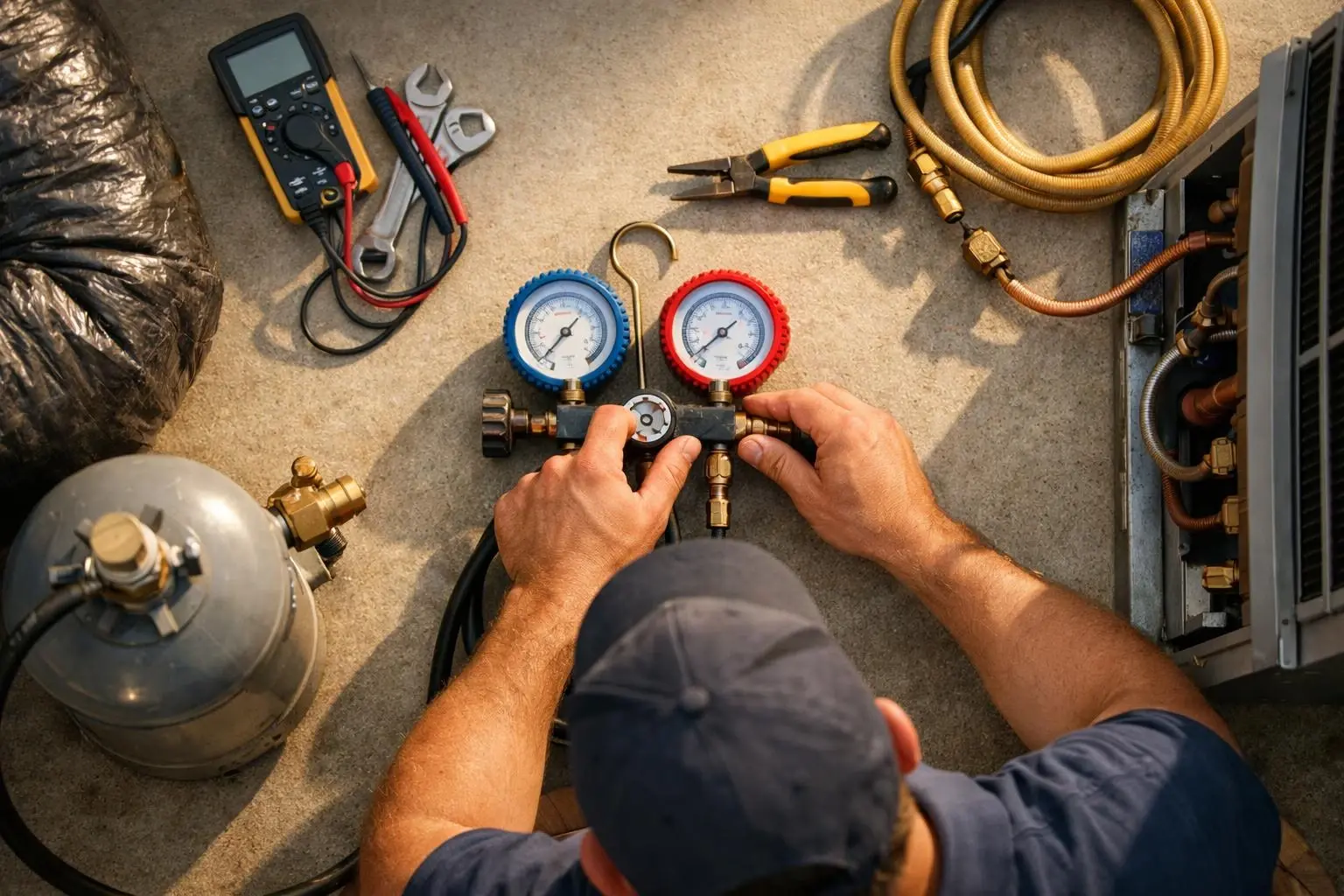
How Pounds per Square Inch applies to HVAC Contractor services in Lewisville, United States—practical illustration

Correct PSI keeps HVAC systems safe. It also keeps them efficient.

Too much pressure makes the compressor work harder. It uses more electricity.

It wears out faster too. This can lead to costly repairs.

It might even break the whole system.

Too little pressure means the system won't cool well. Rooms will feel warm.

Proper PSI helps refrigerant flow smoothly. It stops ice from forming on coils.

It also stops pipes from bursting.

Homeowners should learn about PSI. It helps when talking to techs.

If a tech says PSI is high or low, you'll understand. You can ask better questions.

You can make smarter choices about repairs. It helps spot problems early too.

Strange noises or weak airflow might mean pressure issues.

When Pounds per Square Inch Matters Most?

PSI matters during HVAC work. It's important for installation, maintenance. And repairs.

When a new system is installed, techs set the right PSI. This makes sure it runs well.

During maintenance, they check PSI. They catch small problems before they grow.

If an AC stops cooling well, PSI helps find the cause. It might be a leak or a bad compressor.

In Lewisville, TX, summers get very hot. Temperatures often go above 95°F.

ACs work harder then. PSI rises too.

Techs adjust refrigerant to handle the heat. This stops overpressure that can damage the system.

Homeowners should get seasonal check-ups. This keeps PSI safe.

It avoids breakdowns during hot summer months.

How to Evaluate Pounds per Square Inch?

Related Concepts Compared

Pounds per Square Inch vs. PSIA (Pounds per Square Inch Absolute)

PSIA includes atmospheric pressure (about 14.7 PSI at sea level). While regular PSI measures only the extra pressure above that.

Pounds per Square Inch vs. CFM (Cubic Feet per Minute)

CFM measures how much air moves through ducts. While PSI measures how hard refrigerant pushes inside pipes.

Expert Note

Small changes in outdoor temperature can cause big swings in PSI. Always cross-check readings with the manufacturer’s pressure-temperature chart, not just a general rule of thumb.

Common Mistakes or Myths About Pounds per Square Inch

  • Confusing PSI with PSIG (PSI gauge) or PSIA (PSI absolute)—gauge readings ignore atmospheric pressure.
  • Ignoring temperature when checking PSI—refrigerant pressure rises and falls with outdoor heat.
  • Assuming all refrigerants use the same PSI values—R-22 and R-410A have different normal ranges.
  • Overcharging refrigerant to raise PSI, which can damage the compressor and reduce efficiency.

Pounds per Square Inch in Practice: A Real-World Example

During a summer afternoon in Lewisville, a homeowner notices their air conditioner is blowing warm air. A technician arrives, connects a gauge. And finds the low-side PSI is only 30 instead of the expected 65. This low pressure means refrigerant is leaking. So the technician fixes the leak and recharges the system to the correct PSI.

Sources & Further Reading on Pounds per Square Inch

Related Services

Related Terms

Refrigerant

Refrigerant is a chemical substance used in air conditioning, refrigeration. And heat pump systems to absorb heat from indoor air and release it outdoors. Refrigerants circulate through coils, changing from liquid to gas and back, to transfer heat efficiently. Common types include R-410A, R-134a. And R-32, each with specific properties and environmental impacts.

Compressor

Compressor is the mechanical heart of an air-conditioning or heat-pump system. Compressor squeezes low-pressure refrigerant vapor into high-pressure, high-temperature gas so it can release heat outdoors and circulate cooled refrigerant back inside the home. Without compressor, no cooling or heating cycle can occur.

CFM

CFM is the standard unit used to measure how much air moves through a space each minute. CFM stands for cubic feet per minute, showing the volume of air a fan, vent. Or HVAC system can push or pull. Higher CFM means more airflow, which affects heating, cooling. And indoor air quality in homes and buildings.

Evaporator Coil

Evaporator Coil is a key component in air conditioning and refrigeration systems that absorbs heat from indoor air. Located inside the air handler or furnace, it contains cold refrigerant that evaporates as warm air passes over it, cooling and dehumidifying the air before circulating it back into the home or building.

Condenser Coil

Condenser Coil is a heat-exchange component in an air conditioning or heat pump system that releases heat absorbed from indoor air to the outdoor environment. Condenser Coils are typically made of copper, aluminum. Or coated steel tubing and are located in the outdoor unit, where a fan blows air across the coil to cool and condense hot refrigerant gas into a liquid.

ACRepairLewisvilleTX.com

Have Questions About Pounds per Square Inch?

Contact ACRepairLewisvilleTX.com for practical guidance on Pounds per Square Inch and related hvac contractor work in Lewisville.

(469) 460-3491