Understanding Condenser Coil

Condenser Coil is a critical part of any air conditioning or heat pump system. Its main job is to release heat that the refrigerant has absorbed from inside a home or building. When warm indoor air passes over the evaporator coil, the refrigerant inside absorbs the heat and turns into a hot gas. This gas then travels to the outdoor unit, where the condenser coil and a fan work together to cool it down. As the fan blows outdoor air across the coil, the refrigerant inside releases its heat and condenses back into a liquid, ready to repeat the cooling cycle.
Related glossary terms: Evaporator Coil, Refrigerant, Compressor.
Condenser Coils are usually made of thin metal tubing, often copper or aluminum. Because these metals conduct heat efficiently. The tubing is arranged in a grid-like pattern to get the most from surface area, allowing more heat to escape quickly. Some coils also have thin metal fins attached to the tubing to further increase heat transfer. Over time, dirt, leaves. And other debris can collect on the coil, blocking airflow and reducing efficiency. This is why regular cleaning is important for keeping the system running smoothly.
How Condenser Coil Works?
The condenser coil works by using a simple principle: heat naturally moves from warmer objects to cooler ones. When hot refrigerant gas enters the condenser coil, it's much warmer than the outdoor air. As the fan blows cooler outdoor air over the coil, the heat from the refrigerant transfers to the air and is carried away. This process cools the refrigerant, causing it to change from a hot gas into a warm liquid. The liquid refrigerant then flows back indoors to absorb more heat, continuing the cycle.
The efficiency of a condenser coil depends on several factors, including the coil’s material, design. And cleanliness. Copper coils, for example, conduct heat better than aluminum coils but are often more expensive. The coil’s size and shape also matter—larger coils with more surface area can release heat more effectively. And the outdoor temperature plays a role; on very hot days, the condenser coil has to work harder to release heat, which can reduce the system’s overall efficiency. Proper installation and maintenance help ensure the coil operates at peak performance.
Why Condenser Coil Matters?
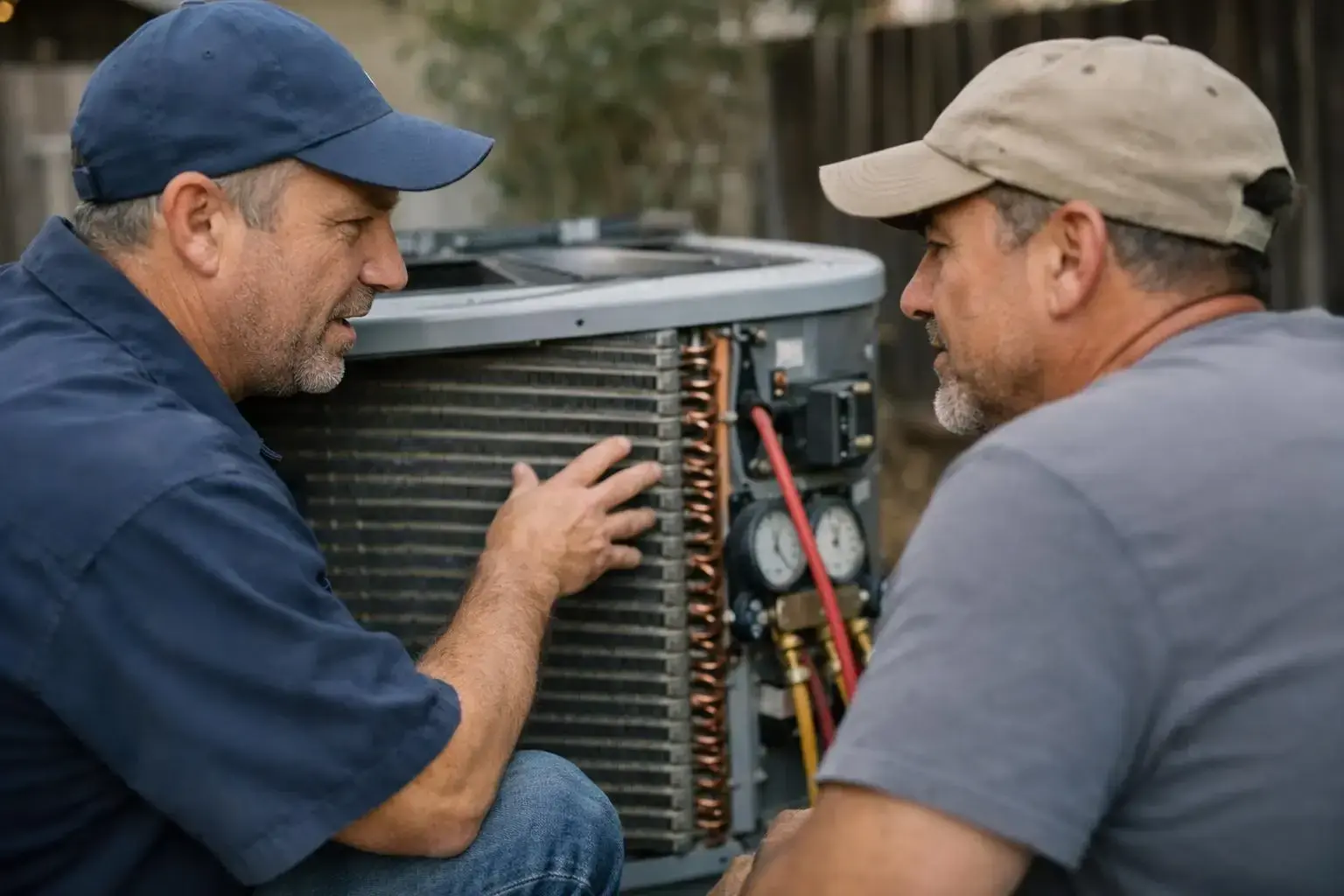
A well-functioning condenser coil is essential for keeping an air conditioning or heat pump system efficient and reliable. If the coil is dirty, damaged. Or blocked, the system has to work harder to release heat, which increases energy use and can lead to higher utility bills. Over time, this extra strain can cause the system to overheat or fail completely, resulting in costly repairs or even the need for a full replacement. Regular maintenance, such as cleaning the coil and checking for damage, helps prevent these issues and extends the life of the system.
Many projects start with Condenser Coils also play a role in the overall comfort of a home. When the coil is clean and working properly, the system can cool the indoor air more effectively, maintaining a consistent temperature. If the coil is clogged or inefficient, the system may struggle to keep up with cooling demands, leading to uneven temperatures or a home that never feels quite cool enough. For homeowners, this means paying attention to the outdoor unit and scheduling professional maintenance at least once a year to keep the condenser coil in good condition.
When Condenser Coil Matters Most?
Condenser Coils become especially important during periods of high outdoor temperatures, such as the summer months in Lewisville, TX. When outdoor temperatures rise, the system has to work harder to release heat, putting more strain on the condenser coil. If the coil is dirty or damaged, the system may struggle to keep up, leading to longer run times, higher energy bills. And potential breakdowns. Homeowners may notice warning signs like reduced cooling performance, strange noises from the outdoor unit. Or ice forming on the refrigerant lines, all of which can indicate a problem with the condenser coil.
Another key moment for condenser coils is during routine maintenance or system inspections. HVAC technicians typically check the coil for signs of wear, corrosion. Or blockages as part of a standard tune-up. They may also measure the refrigerant levels and inspect the coil’s fins for damage. Here is why. If the coil is bent or flattened, it can restrict airflow and reduce efficiency. In some cases, technicians may straighten the fins or clean the coil to restore proper airflow. For older systems, a damaged or inefficient condenser coil may signal that it’s time to consider a replacement, especially if the system is no longer cooling effectively.
Finally, condenser coils matter when upgrading or installing a new HVAC system. Choosing a system with a high-quality condenser coil can improve energy efficiency and reduce long-term operating costs. Some modern systems feature advanced coil designs, such as microchannel coils, which offer better heat transfer and durability. Homeowners should discuss their options with a qualified HVAC professional to ensure they select a system that meets their needs and budget while providing reliable performance for years to come.