Understanding Evaporator Coil
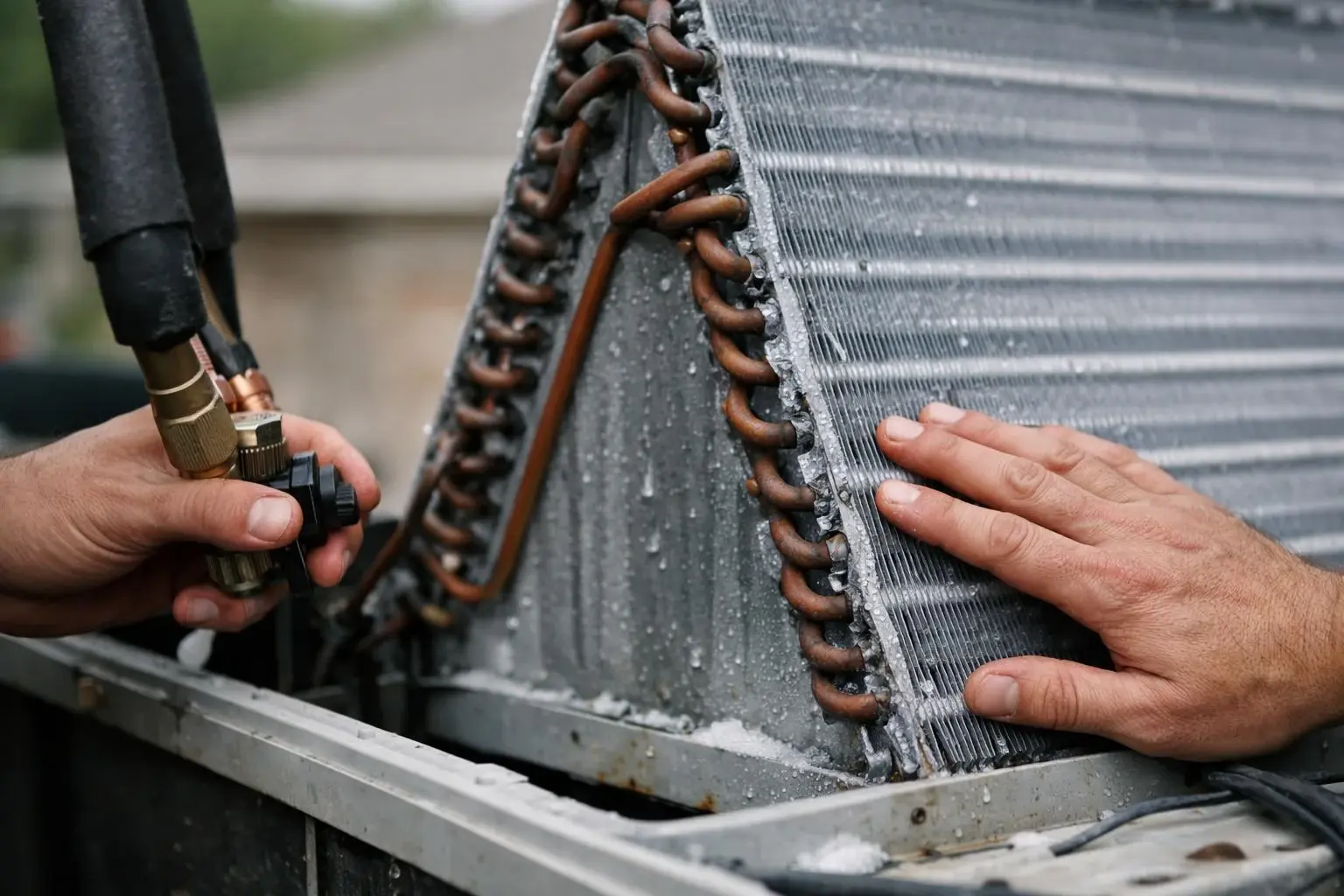
The evaporator coil is key in air conditioners. It's also key in heat pumps. It sits inside the indoor unit.
Related glossary terms: Air Handler, Condenser Coil, Refrigerant.
It works with a special fluid called refrigerant. This fluid removes heat from the air. It also removes moisture.
Warm air blows over the coil. The cold refrigerant inside takes in the heat. The refrigerant turns into a gas.
This cools the air. The cool air goes back into your home. Your system can't cool well without this coil.
The coil has thin metal tubes. These tubes are often copper or aluminum. They form a grid or snake pattern.
Fins on the tubes help cool more air. Dust and dirt can build up over time. This makes the coil work poorly.
The system works harder. It uses more energy. The coil may freeze or fail.
How Evaporator Coil Works?
The coil works in a cooling cycle. Refrigerant enters as cold liquid. It's under low pressure.
Warm air passes over the coil. The refrigerant takes in heat. It turns into a gas.
This change cools the air. The warm gas goes to the compressor. The compressor squeezes it.
The gas then goes outside. It cools down and turns back to liquid. The cycle starts again.
The coil's work depends on many things. Its design matters. So does how clean it is.
Airflow across it affects work too. If air can't flow well, the coil can't cool. The coil may freeze.
A dirty filter can block air. So can blocked vents. A weak fan can do this too.
Refrigerant levels are also important. Too little makes weak cooling. Too much stops proper change.
Techs check pressure and heat. They make sure the coil works right. They follow the maker's rules.
Good refrigerant and airflow are key. They help the coil work well. They help it last longer.
Why Evaporator Coil Matters?
The coil affects comfort and energy use. It also affects how long the system lasts.
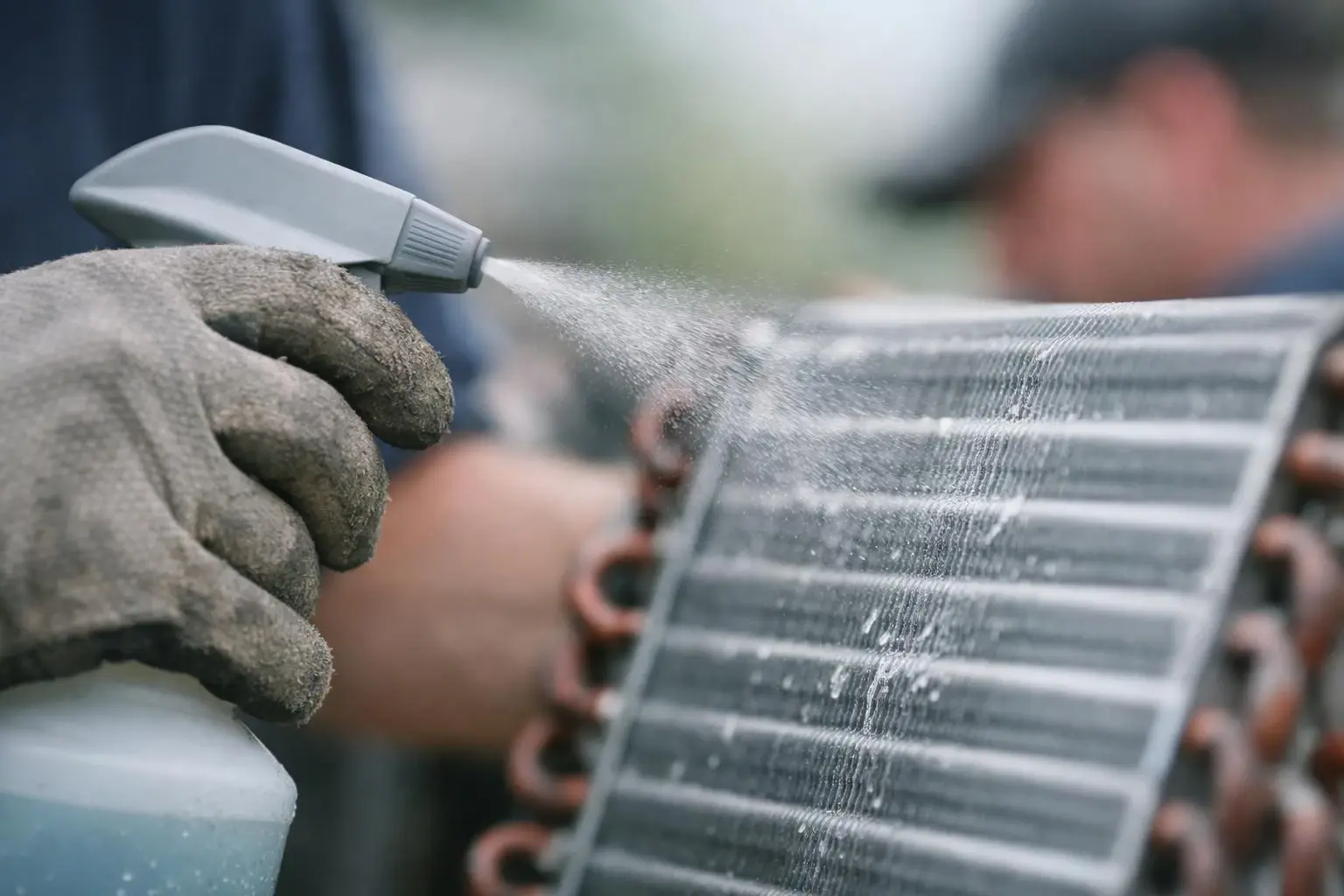
A clean coil cools fast. It takes out extra wetness. This makes the air inside better.
A dirty coil makes the system run longer. It uses more power. Parts wear out faster.
This can raise your bills. It can also cause more repairs.
Ignoring the coil can freeze the system. Low airflow can cause ice. So can low refrigerant.
Ice blocks more air. This makes cooling poor. The system may fail.
Clean the coil often. Check the refrigerant. This keeps the system working well.
When Evaporator Coil Matters Most?
Coil work matters most in hot weather. The system runs more then.
In humid places like Lewisville, TX, the coil takes out wetness. This is as key as cooling.
A weak coil can't keep up. Cooling may be uneven. Humidity may stay high.
Watch for coil problems. Weak airflow is a sign. Warm air from vents is too.
Ice on the indoor unit is a sign. These mean a dirty coil. They can mean low refrigerant.
They can mean blocked air. Fix these fast. This stops costly repairs.
It also helps the system last longer. Techs check the coil in routine service.
They look for dirt and rust. They check for leaks. This keeps it working all year.
Replacing a coil costs a lot. It's done if the coil rusts or leaks. It's done if it's not efficient.
The new coil must match the system. It must match the refrigerant type. Only a tech should do this.
A better coil can cool more. It can use less power. This helps older systems.