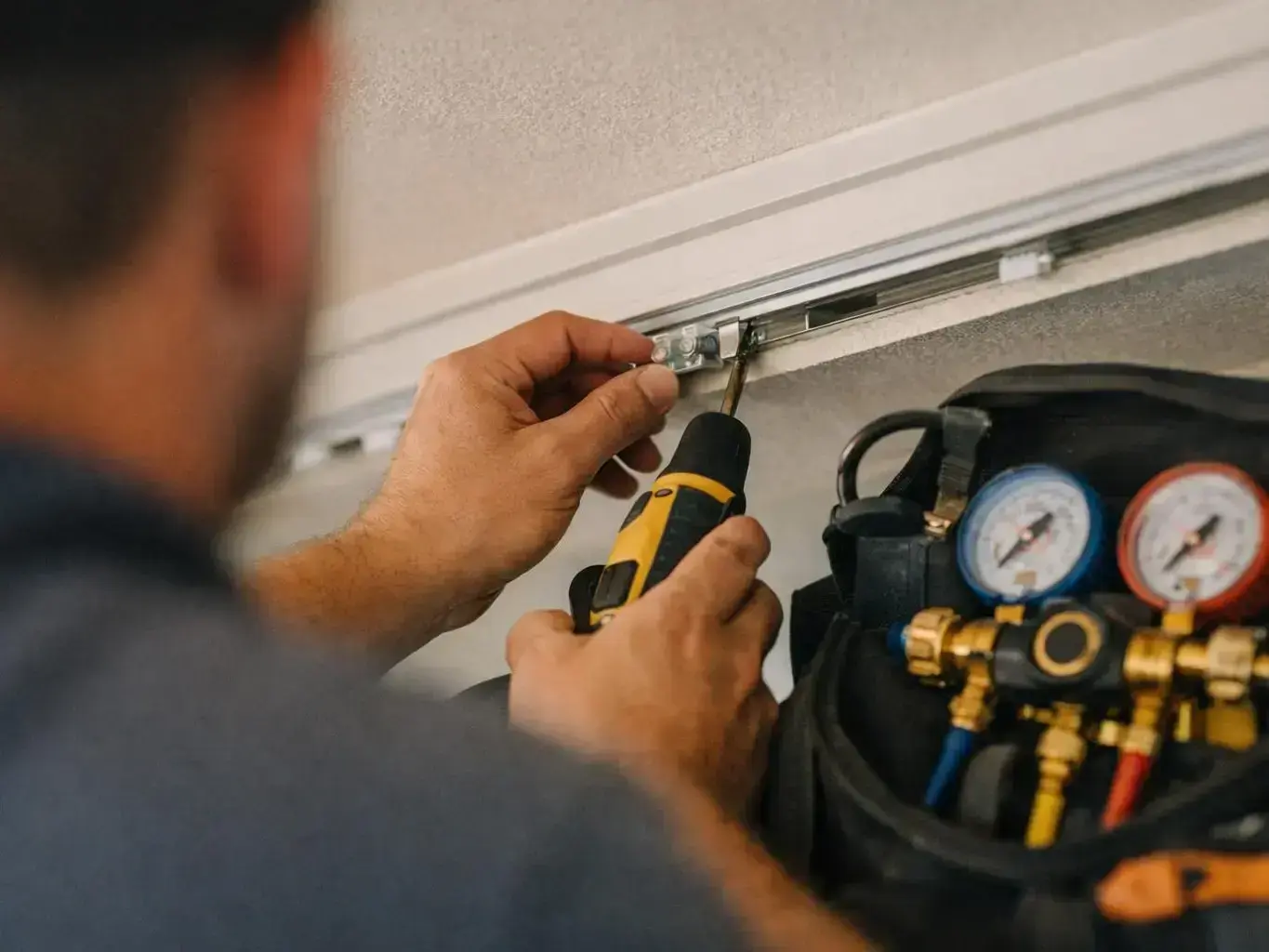
Understanding Variable Speed Motor
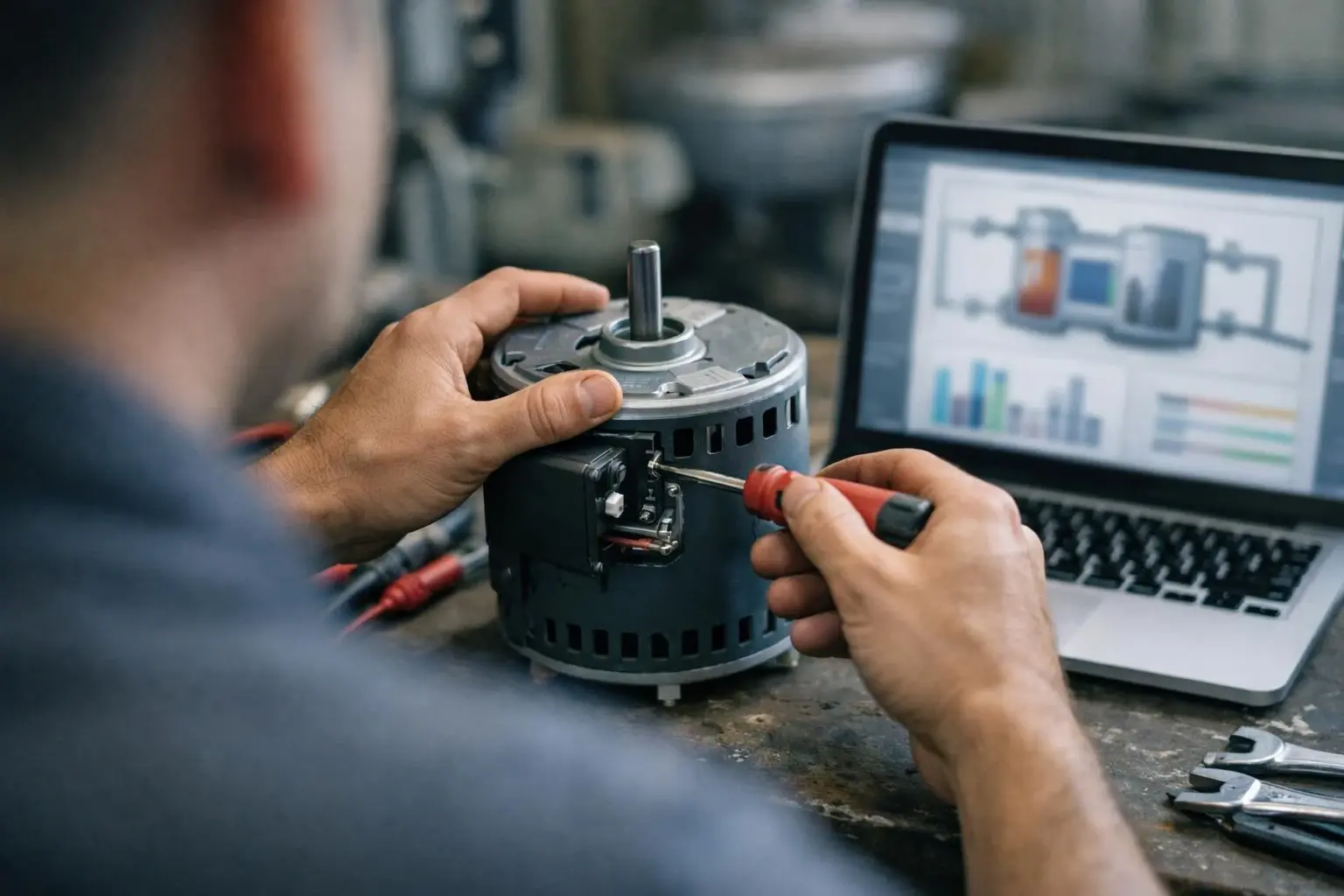
A Variable Speed Motor is a type of electric motor designed to operate at a range of speeds rather than just one or two fixed speeds. Unlike traditional single-speed motors that run at full power or shut off completely, variable speed motors adjust their speed incrementally based on the heating or cooling needs of a home. This flexibility allows HVAC systems to deliver the exact amount of airflow required, whether it’s a mild spring day or the peak of a Texas summer.
Related glossary terms: Air Handler, Programmable Thermostat, Indoor Air Quality.
These motors are built with advanced electronics that regulate voltage and frequency to control speed. The technology is similar to how a dimmer switch adjusts light levels. But for motors. By running at lower speeds for longer periods, variable speed motors avoid the energy waste and temperature swings caused by frequent on-off cycling. This makes them a key component in high-efficiency HVAC systems, including furnaces, air handlers. And heat pumps.
How Variable Speed Motor Works?
Variable Speed Motors work by using a control board that adjusts the electrical input to the motor. Instead of receiving a fixed voltage, the motor receives a variable signal that changes based on the system’s demands. For example, when a home’s thermostat calls for cooling, the motor starts at a low speed and gradually ramps up until the desired temperature is reached. Once the temperature stabilizes, the motor slows down to maintain airflow without overworking the system.
The motor’s speed is measured in revolutions per minute (RPM), which directly affects the volume of air moved through the ductwork. Lower speeds mean quieter operation and less energy use. While higher speeds provide extra airflow when needed. This continuous adjustment is managed by the HVAC system’s control board, which communicates with the thermostat and other sensors to determine the optimal speed at any given time.
One key advantage of variable speed motors is their ability to operate at very low speeds—sometimes as low as 20% of their maximum capacity. So you can the system to run almost continuously, which helps filter air more effectively, maintain consistent humidity levels. And reduce hot or cold spots in a home. The result is a more comfortable indoor environment with fewer temperature fluctuations.
Why Variable Speed Motor Matters?
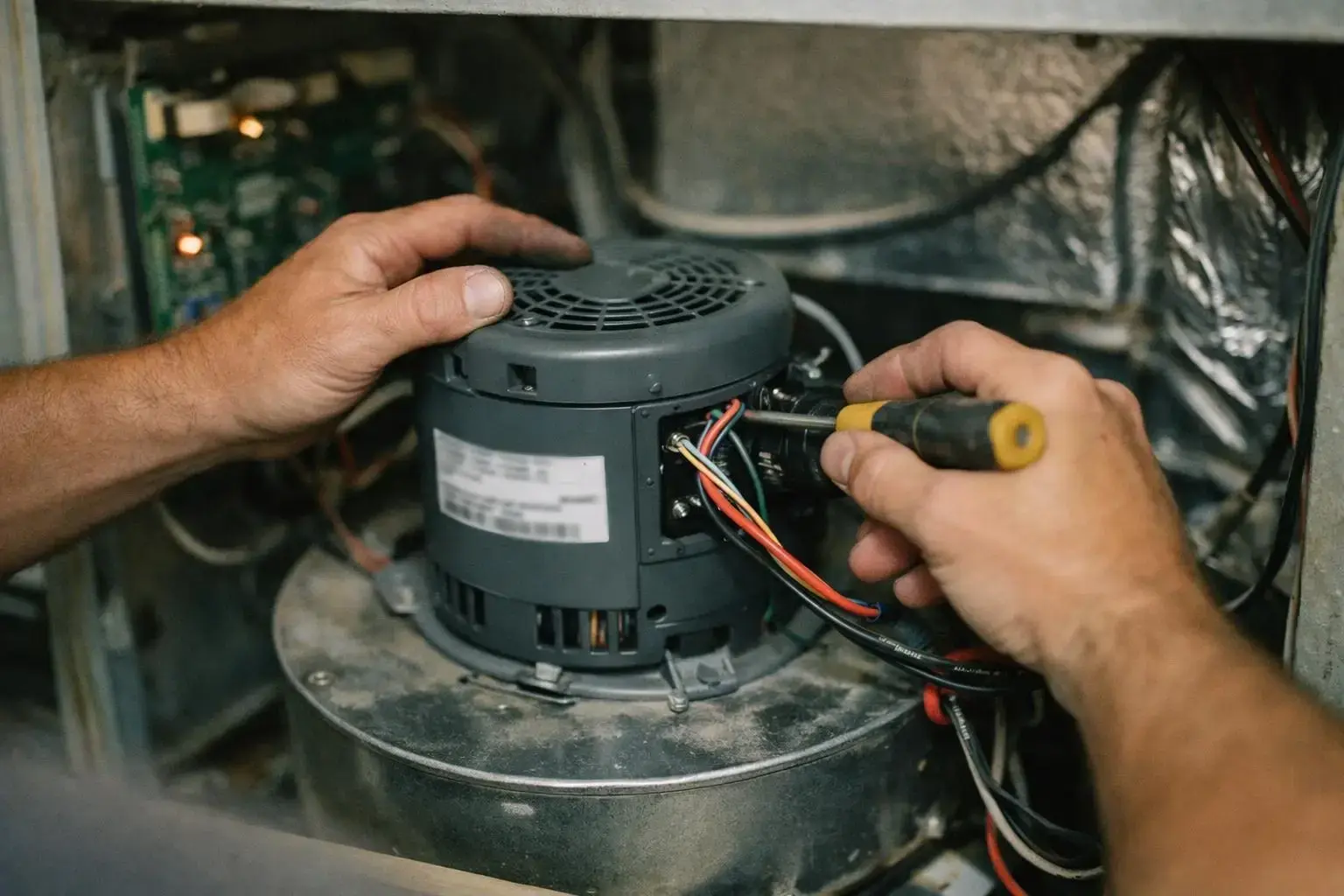
Variable Speed Motors matter because they address two major challenges in HVAC systems: energy waste and comfort. Traditional motors cycle on and off frequently, which consumes more electricity and creates noticeable temperature swings. In contrast, variable speed motors run longer at lower speeds, reducing energy use by up to 50% compared to single-speed motors. This efficiency can lead to lower utility bills, especially in regions like North Texas, where HVAC systems run for much of the year.
Beyond energy savings, these motors improve indoor air quality by running the blower fan more consistently. So you can air filters to capture more dust, pollen. And other particles, which is particularly beneficial for households with allergies or respiratory concerns. The continuous airflow also helps balance humidity levels, reducing the risk of mold growth or dry air issues. For homeowners, this means a healthier and more comfortable living space without sacrificing efficiency.
When Variable Speed Motor Matters Most?
Variable Speed Motors are most valuable in situations where comfort, efficiency. And system longevity are priorities. Homes with uneven temperatures—such as rooms that are always too hot or too cold—benefit from the motor’s ability to adjust airflow precisely. They're also ideal for households with high indoor air quality needs, such as families with allergies, asthma. Or pets. Because the motor’s continuous operation helps filter air more effectively.
Many projects start with In climates like Lewisville, TX, where temperatures can swing dramatically between seasons, variable speed motors help HVAC systems adapt smoothly to changing demands. During mild weather, the motor can run at low speeds to maintain comfort without overworking the system. In extreme heat or cold, it ramps up to provide extra heating or cooling as needed. This adaptability extends the lifespan of the HVAC system by reducing stress on components like the compressor and blower fan.
Variable speed motors are also a smart choice for homeowners planning to upgrade their HVAC system. While they come with a higher upfront cost compared to single-speed motors, the long-term energy savings and improved comfort often justify the investment. And many utility companies offer rebates for high-efficiency HVAC systems, which can help offset the initial expense.