Understanding Indoor Air Quality
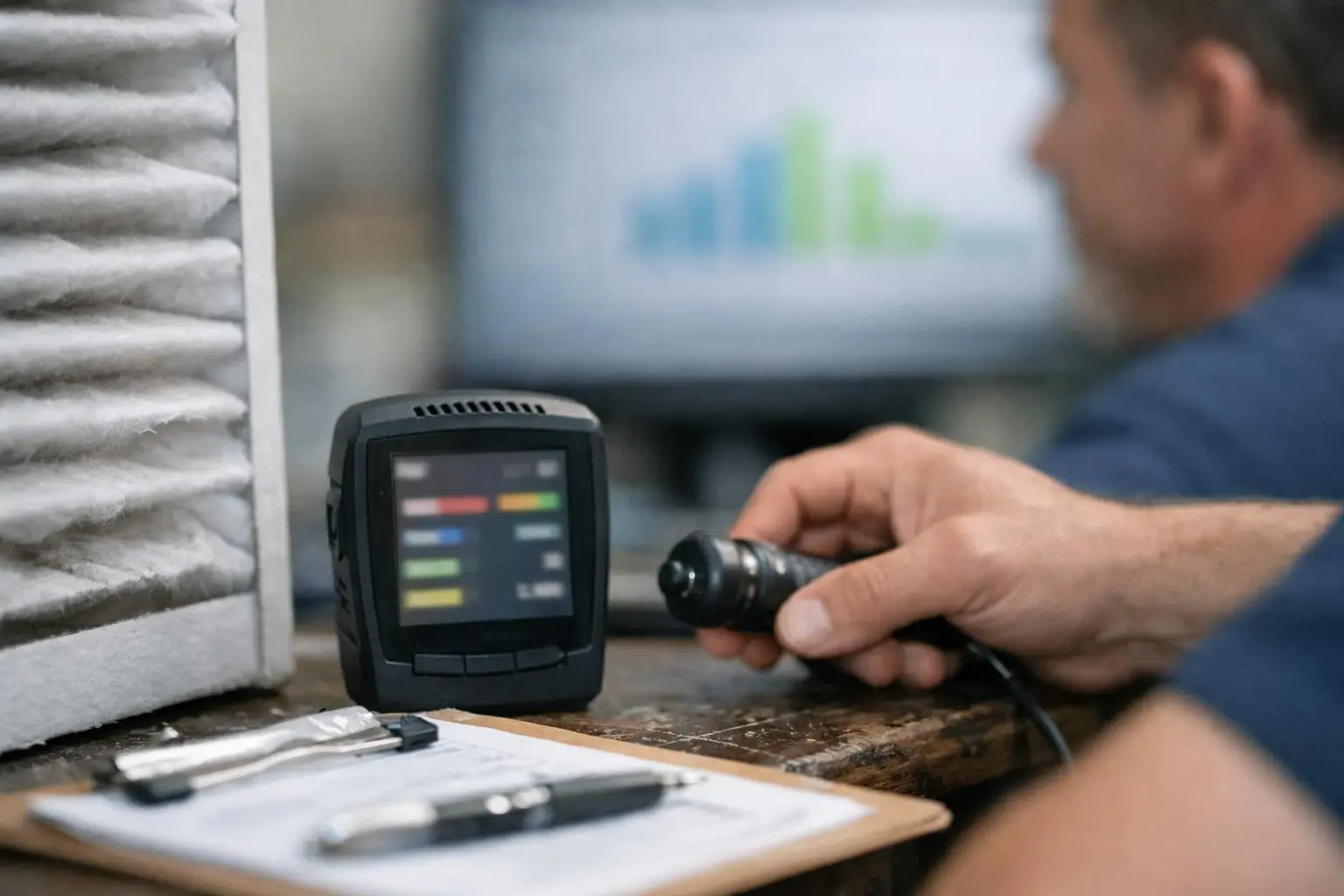
Indoor Air Quality, often called IAQ, describes how clean or polluted the air is inside homes, schools, offices. And other buildings. Unlike outdoor air, indoor air can become trapped and concentrated with pollutants like dust, pet dander, mold spores, smoke, cleaning chemicals. And gases such as carbon monoxide. These pollutants come from everyday activities like cooking, cleaning. And even breathing, as well as from building materials, furniture. And HVAC systems. Because people spend about 90% of their time indoors, Indoor Air Quality directly affects health, comfort. And productivity.
Related glossary terms: MERV Rating, Humidifier, Ductwork.
Good Indoor Air Quality means the air is free from harmful levels of pollutants and has the right balance of temperature and humidity. Poor Indoor Air Quality can cause immediate symptoms like eye irritation, headaches, dizziness. And fatigue. Over time, it can lead to serious health problems, including asthma, allergies, heart disease. And lung cancer. Children, elderly people. And those with existing health conditions are especially vulnerable. Indoor Air Quality is not just about comfort—it’s a public health concern recognized by organizations like the Environmental Protection Agency (EPA) and the World Health Organization (WHO).
How Indoor Air Quality Is Measured and Improved?
Indoor Air Quality is measured using a combination of sensors, testing kits. And professional assessments. Common tools include carbon monoxide detectors, humidity monitors. And air quality meters that track particles like PM2.5 (fine dust) and VOCs (volatile organic compounds). Professional HVAC technicians may use more advanced equipment to test airflow, ventilation rates. And pollutant levels in ducts and living spaces. Standards like ASHRAE 62.1 provide guidelines for minimum ventilation rates to maintain healthy indoor air.
Improving Indoor Air Quality involves three main strategies: source control, ventilation. And air cleaning. Source control means reducing or eliminating pollutants at their origin—for example, using low-VOC paints, avoiding synthetic fragrances. And keeping humidity below 60% to prevent mold growth. Ventilation brings fresh outdoor air inside and dilutes indoor pollutants. This can be done naturally through windows or mechanically with HVAC systems. Air cleaning includes using high-efficiency filters (like MERV 13 or HEPA), air purifiers. And UV lights to capture or kill pollutants. Regular HVAC maintenance, such as cleaning ducts and changing filters, is one of the simplest and most effective ways to keep indoor air clean.
Why Indoor Air Quality Matters?
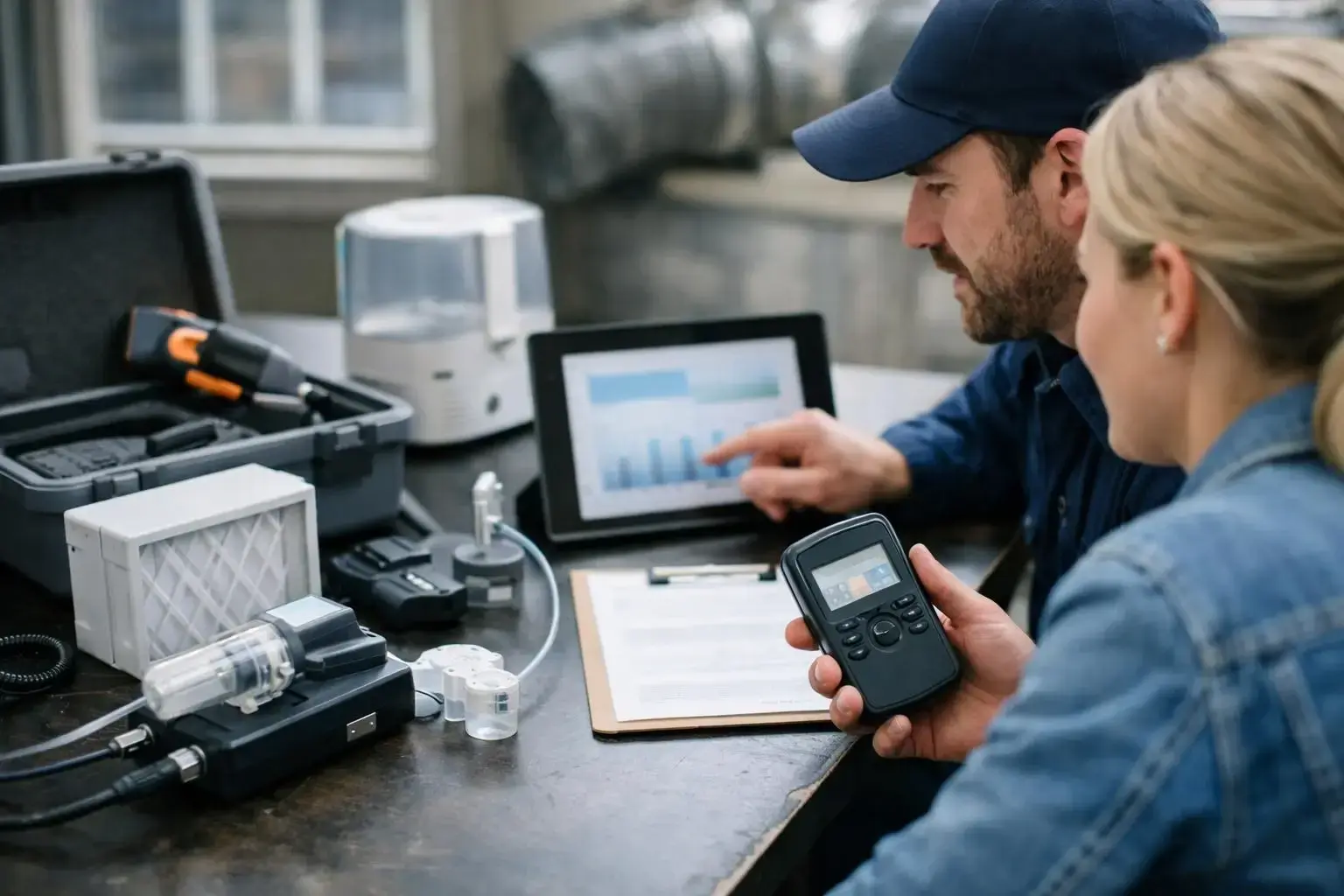
Indoor Air Quality matters because it directly impacts health, comfort. And daily life. Poor Indoor Air Quality can worsen allergies, trigger asthma attacks. And cause chronic illnesses, leading to missed school or work days and higher medical costs. For example, the EPA estimates that indoor air can be 2 to 5 times more polluted than outdoor air, even in cities with heavy traffic. In workplaces, poor Indoor Air Quality reduces productivity and increases sick leave, costing businesses billions of dollars each year. For families, especially those with children or elderly members, clean indoor air means fewer doctor visits and better sleep.
Beyond health, Indoor Air Quality affects energy efficiency and home maintenance. High humidity can damage furniture, walls. And electronics. While poor ventilation can make heating and cooling systems work harder, increasing energy bills. Homes with good Indoor Air Quality also tend to have higher resale values, as buyers increasingly prioritize healthy living environments. Whether for health, comfort. Or cost savings, paying attention to Indoor Air Quality is a smart investment for any home or building.
When Indoor Air Quality Matters Most?
Indoor Air Quality becomes especially important in certain situations. During extreme weather, when windows stay closed for long periods, pollutants can build up indoors. That means common in Lewisville, TX, where hot summers and cold winters lead to heavy HVAC use. Homes with poor ventilation, recent water damage. Or mold growth also need extra attention, as do buildings with new furniture, carpets. Or fresh paint, which can release VOCs for months. Families with pets, smokers. Or allergy sufferers should monitor Indoor Air Quality year-round to reduce symptoms.
A practical next step is Other key moments include after renovations, when moving into a new home. Or when someone in the household develops unexplained health issues like frequent headaches or respiratory problems. Schools, daycare centers. And offices should also prioritize Indoor Air Quality, as crowded spaces can spread germs and pollutants quickly. Regular HVAC inspections, especially before seasons change, help identify and fix issues like dirty filters, leaky ducts. Or inadequate ventilation. By staying proactive, homeowners and businesses can maintain healthy indoor air and avoid costly problems down the road.
For HVAC contractors in Lewisville, TX, Indoor Air Quality is a year-round concern due to the region’s climate and urban growth. High humidity, pollen. And construction dust can worsen indoor air, making solutions like air purifiers, dehumidifiers. And proper ventilation essential for local homes and businesses.