Glossary

What is Ductwork?

Ductwork is a network of tubes, typically made of sheet metal, fiberglass. Or flexible plastic, installed in homes and buildings to distribute heated or cooled air from HVAC systems. Ductwork carries air from furnaces, air conditioners. Or heat pumps to rooms and returns stale air back to the system for reconditioning, ensuring consistent indoor comfort and air quality.

Sources reviewed: U.S. Department of Energy - Energy Saver, North American Insulation Manufacturers Association (NAIMA)

Quick Facts About Ductwork

Category

HVAC distribution system

Used for

Heating, cooling. And ventilation

Common confusion

Often mistaken for plumbing pipes or electrical conduits

Also called

Air ducts, HVAC ducts

Often discussed with

Air Duct Cleaning, HVAC Replacement

Key Takeaways About Ductwork

Understanding Ductwork
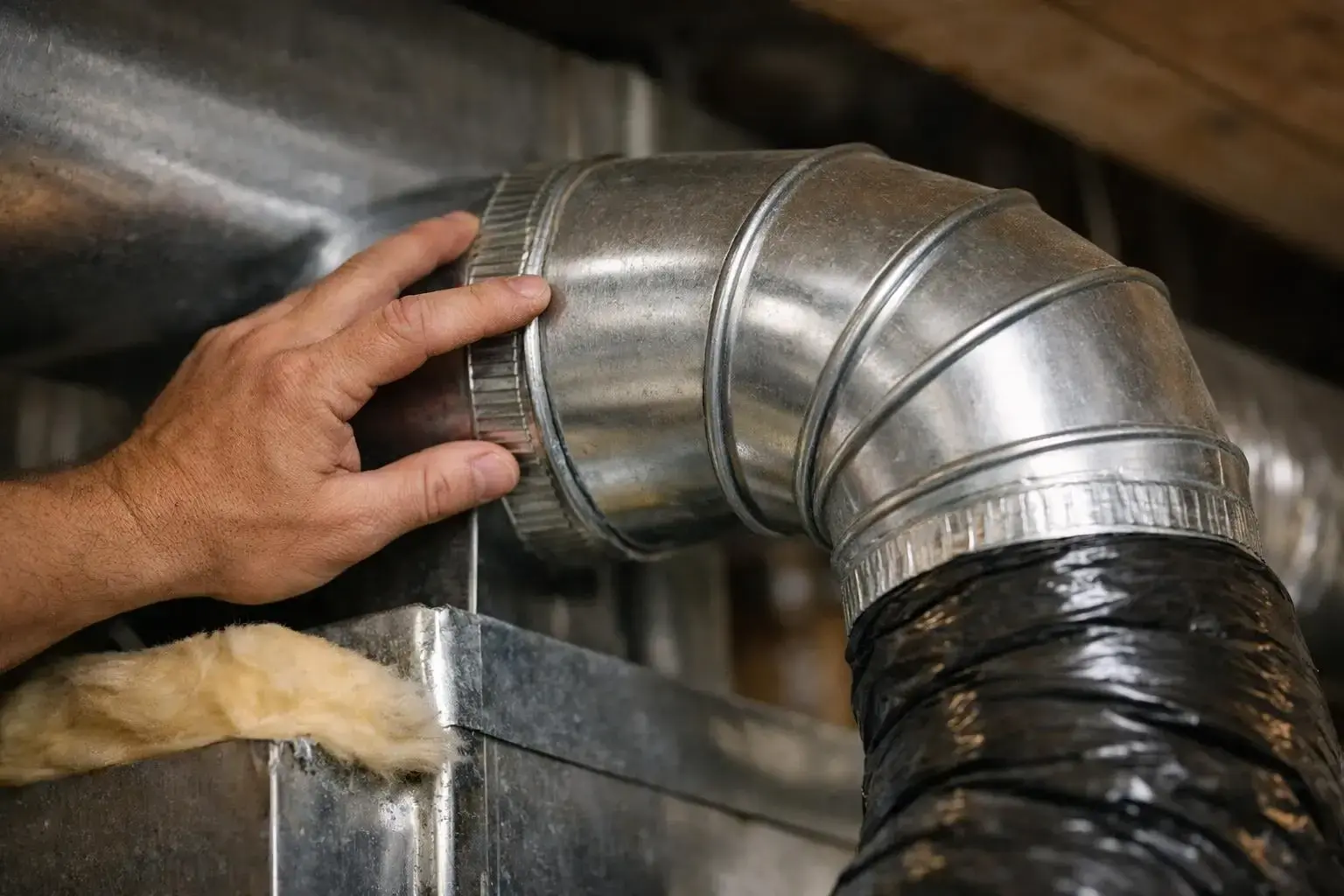
Ductwork in HVAC Contractor: Ductwork is a network of tubes, typically made of sheet metal, fiberglass—visual guide

Ductwork helps your HVAC system work. It moves air where it needs to go. Most people don’t notice it.

Related glossary terms: CFM, Indoor Air Quality, HVAC Load Calculation.

Think of ducts like veins in your body. Veins carry blood. Ducts carry warm or cool air. They take it from your HVAC to every room.

Without good ducts, your system can’t work well. Even the best heater or AC will struggle. Your home won’t stay comfy.

Ducts come in different types. Each type has a job. Some are metal. Some are plastic.

Metal ducts are strong. They don’t leak air much. You’ll find them in attics or basements.

Plastic ducts bend easily. They fit in tight spots. But they can sag if not held up right.

Some ducts are made of fiberglass. They block noise. But they can break if handled roughly.

Your budget and space decide the best type. Your HVAC needs matter too.

How Ductwork Works?

Ducts work on a simple rule. Air moves from high pressure to low. Your HVAC makes this happen.

When your system turns on, a fan pushes air. The air goes through ducts. It comes out vents in your rooms.

At the same time, other vents pull air back. This air goes to the system. It gets cleaned, heated. Or cooled.

Then it goes back through the ducts. This loop keeps your air fresh. It keeps your home the right temp.

Two things matter for ducts. One is how much air moves. The other is how hard the system works.

Airflow is measured in CFM. That means cubic feet per minute. It tells how much air moves.

Pressure is measured in WC. That means inches of water column. It shows how hard the system pushes.

Too much pressure is bad. It makes the system work too hard. Too little means weak airflow.

Good ducts balance these. They keep your system working right.

Small ducts can whistle. They can block airflow. Big ducts can make rooms too hot or cold.

Ducts hide behind walls. They go under floors or above ceilings. You don’t see them much.

But they affect your comfort. They also affect your energy bills. Bad ducts waste energy.

Leaky ducts can waste 30% of your energy. That’s what the government says. Sealing them helps a lot.

Use mastic or tape to seal gaps. Add insulation in cold or hot spaces. This saves money and works better.

Why Ductwork Matters?
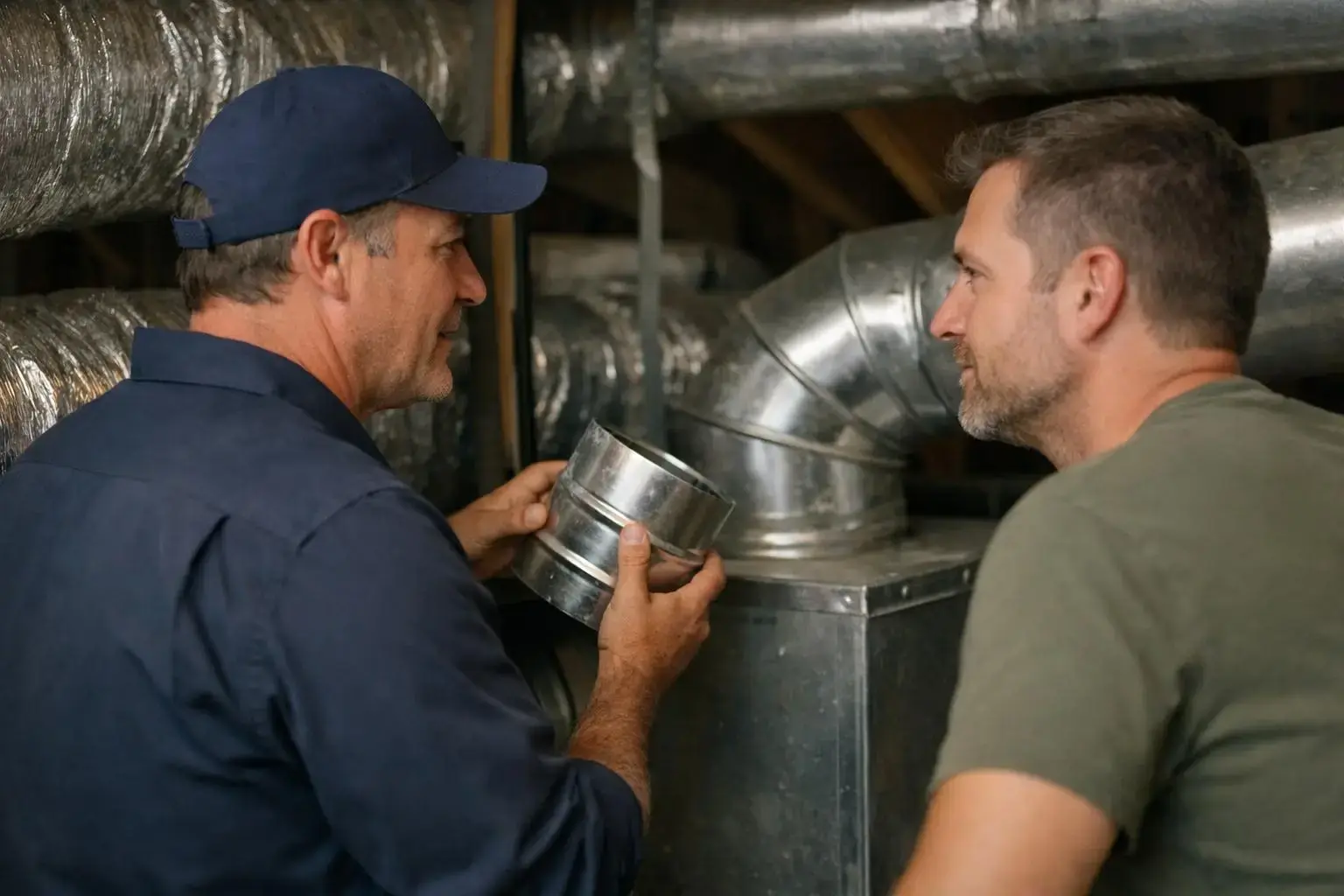
How Ductwork applies to HVAC Contractor services in Lewisville, United States—practical illustration

Ducts keep your air clean. They also keep you comfy. But leaks cause problems.

Leaks pull in dust and pollen. They can pull in mold too. These spread through your home.

This is bad for allergies or asthma. Sealed ducts stop this. They keep bad air out.

Only clean, filtered air gets in. That’s what you want.

Good ducts save energy. Leaky ones make your system work harder. That costs more money.

Bad ducts can make some rooms too hot. Others stay too cold. That’s not comfy.

Fixing ducts helps a lot. Make sure they’re the right size. Seal and insulate them.

This helps your system last longer. It also saves you money.

When Ductwork Matters Most?

Ducts matter when you upgrade your home. They matter for new HVAC systems too.

Old ducts may not work with new systems. They might be too small. Then they can’t move enough air.

You may need bigger ducts. Or you might need new ones. This helps your system work best.

Ducts can cause hot or cold spots. Some rooms feel too warm. Others stay too chilly.

This might be a duct problem. Not always the HVAC. Bad ducts can block airflow.

Ducts in hot attics lose cool air. Ducts in cold basements lose heat. Insulation helps.

Fixing ducts makes your home comfy. It also saves energy.

Ducts matter when you add a room. They matter for home renovations too.

New space needs new ducts. Without them, airflow gets messed up. Your system works too hard.

That costs more money. It can break your system faster. Talk to an HVAC pro first.

They’ll help plan the right ducts. That avoids costly mistakes.
How to Evaluate Ductwork?

Related Concepts Compared

Ductwork vs. Plumbing pipes

Plumbing pipes carry water or gas. While ductwork carries air. Pipes are typically smaller in diameter and made of materials like copper, PVC. Or galvanized steel, whereas ducts are larger and designed to handle airflow.

Ductwork vs. Electrical conduit

Electrical conduits protect and route wiring. While ductwork distributes air. Conduits are usually rigid or flexible metal or plastic tubes, whereas ducts are specifically designed to minimize air resistance and leaks.

Expert Note

Flexible ducts are convenient for tight spaces but can easily become crushed or kinked, restricting airflow. Always support them properly and avoid sharp bends to maintain efficiency.

Common Mistakes or Myths About Ductwork

  • Assuming all ductwork is the same—materials and installation quality vary widely.
  • Ignoring duct leaks, which can waste energy and reduce system efficiency.
  • Using duct tape to seal ducts—it degrades over time; mastic or metal tape is better.
  • Overlooking insulation on ducts in attics or crawl spaces, leading to energy loss.
  • Thinking bigger ducts are always better—oversized ducts can reduce airflow efficiency.

Ductwork in Practice: A Real-World Example

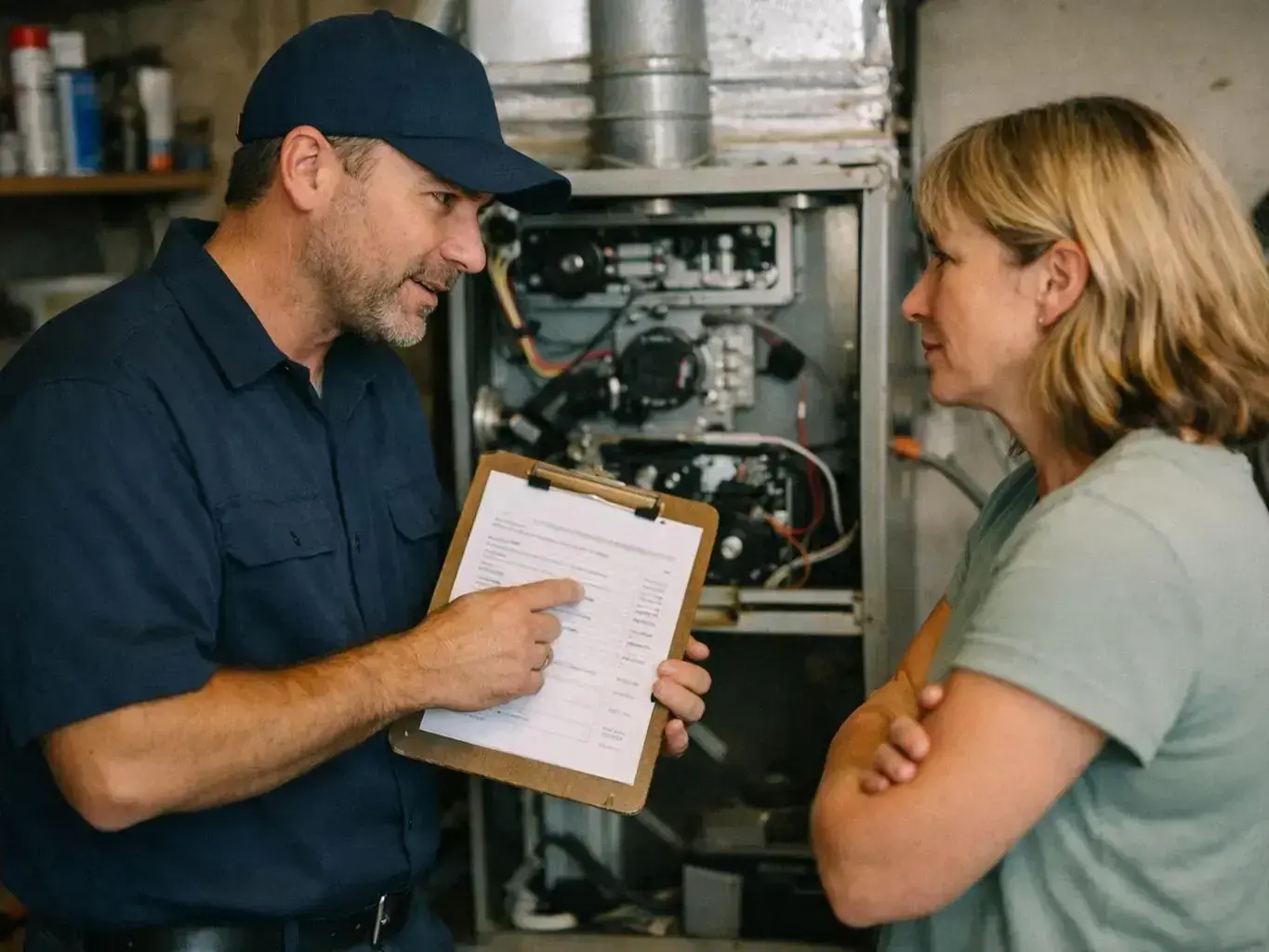
In a two-story home in Lewisville, TX, the upstairs bedrooms often feel warmer in the summer because the existing ductwork is undersized for the new high-efficiency air conditioner. After evaluating the system, an HVAC technician recommends adding a zoning system and resizing the ducts to improve airflow and comfort in the upper floors.

Sources & Further Reading on Ductwork

Related Services

Related Terms

CFM

CFM is the standard unit used to measure how much air moves through a space each minute. CFM stands for cubic feet per minute, showing the volume of air a fan, vent. Or HVAC system can push or pull. Higher CFM means more airflow, which affects heating, cooling. And indoor air quality in homes and buildings.

Indoor Air Quality

Indoor Air Quality is the condition of the air inside buildings and structures, especially as it relates to the health and comfort of occupants. Indoor Air Quality measures pollutants such as dust, mold, pollen, carbon monoxide. And volatile organic compounds (VOCs), as well as temperature, humidity. And ventilation levels. Poor Indoor Air Quality can cause headaches, allergies, fatigue. And long-term respiratory issues.

HVAC Load Calculation

HVAC Load Calculation is a detailed process that determines how much heating or cooling a building needs to stay comfortable year-round. It considers factors like room size, insulation, windows, occupants. And local climate to size equipment correctly and avoid energy waste or poor performance.

MERV Rating

MERV Rating is a standardized scale from 1 to 20 that measures how effectively an air filter captures dust, pollen, mold spores. And other airborne particles. Higher MERV Ratings indicate finer filtration, meaning the filter traps smaller particles and improves indoor air quality in homes and businesses.

Zoning System

Zoning System is a heating and cooling setup that divides a home or building into separate areas. Or zones, each controlled by its own thermostat. Zoning systems use dampers inside the ductwork and multiple thermostats to direct conditioned air only where it's needed, improving comfort and energy efficiency.

ACRepairLewisvilleTX.com

Have Questions About Ductwork?

Contact ACRepairLewisvilleTX.com for practical guidance on Ductwork and related hvac contractor work in Lewisville.

(469) 460-3491