Understanding UV Air Purifier
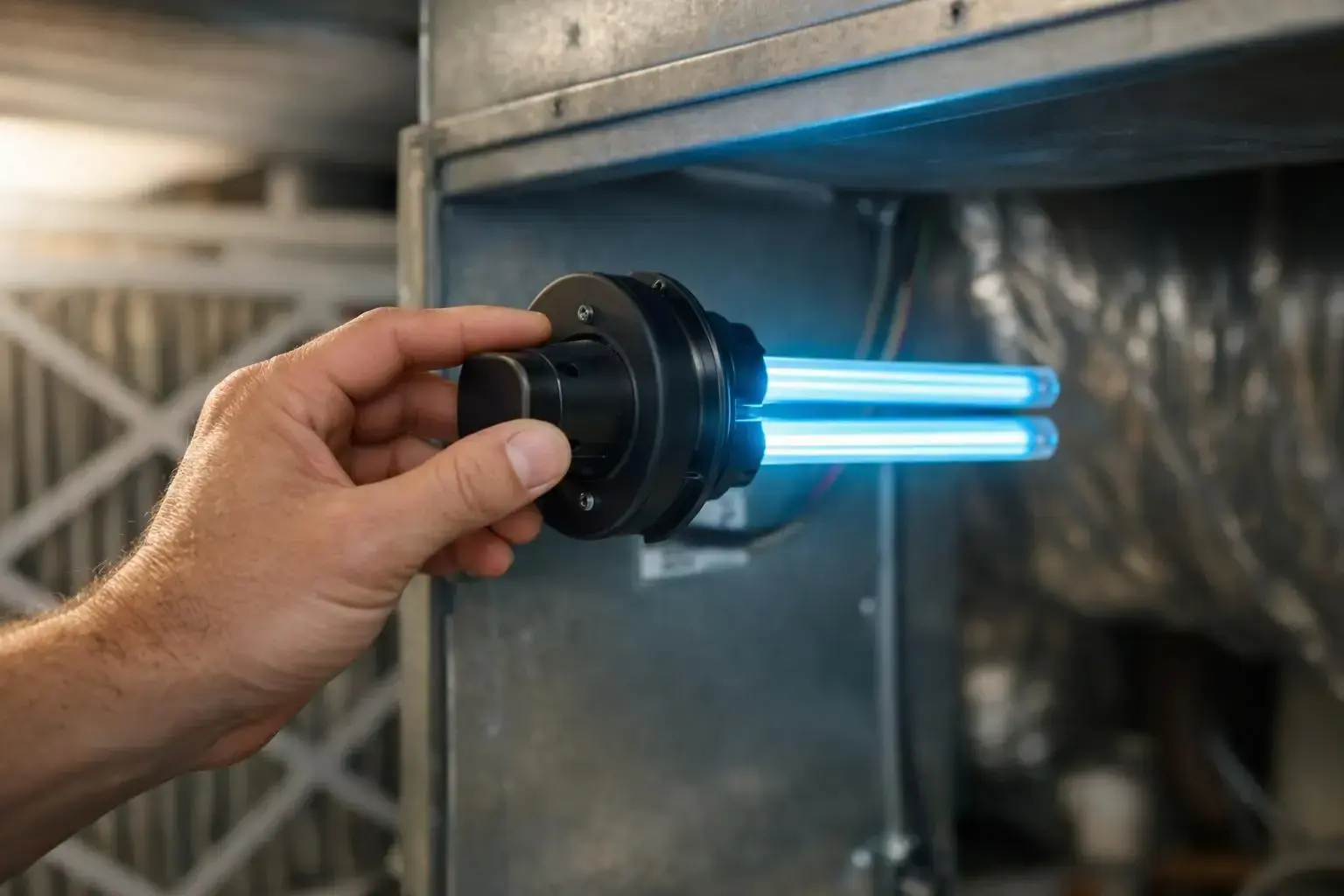
UV Air Purifier is a technology designed to improve indoor air quality by using ultraviolet light. This light, specifically in the UV-C spectrum, damages the DNA and RNA of microorganisms such as bacteria, viruses. And mold spores. When these microorganisms are exposed to UV-C light, they become unable to reproduce or function, effectively neutralizing them. Unlike traditional air filters that capture particles, UV Air Purifiers target living organisms that can cause illness or odors in a home or building.
Related glossary terms: Indoor Air Quality, MERV Rating, HVAC Load Calculation.
UV Air Purifiers are typically installed inside the ductwork of an HVAC system or near the evaporator coil. This placement allows the purifier to treat the air as it passes through the system, ensuring that microorganisms are exposed to the UV light before the air is circulated back into living spaces. Because the purifier works continuously, it helps maintain cleaner air over time. But UV Air Purifiers don't remove non-living particles like dust, pollen. Or pet dander, which require filtration methods.
How UV Air Purifier Works?
UV Air Purifiers operate using a simple but effective mechanism. Inside the purifier, a UV-C light bulb emits light at a wavelength of around 254 nanometers, which is optimal for disrupting the genetic material of microorganisms. When air passes through the HVAC system, it flows over the UV light, exposing any microorganisms in the air to the light. The exposure damages their DNA or RNA, preventing them from reproducing or causing harm. This process happens quickly and doesn't require the air to be held in place, making it efficient for continuous use.
The effectiveness of a UV Air Purifier depends on several factors. The intensity of the UV light, the length of exposure. And the distance between the light and the microorganisms all play a role. For example, microorganisms closer to the light are more likely to be neutralized than those farther away. And the speed of the airflow can affect exposure time; slower airflow allows for longer exposure and better results. Most UV Air Purifiers are designed to work with standard HVAC airflow rates. But proper installation is key to ensuring maximum effectiveness.
UV Air Purifiers also require regular maintenance to remain effective. The UV-C bulbs typically last between 9 to 12 months before their intensity diminishes. When the bulb weakens, it may no longer neutralize microorganisms effectively. So replacing the bulb annually is recommended. Some models include indicators to alert users when the bulb needs replacement. Unlike filters, UV purifiers do not collect debris. So they do not require cleaning. But the surrounding area should be kept free of dust to ensure the light can penetrate the air effectively.
Why UV Air Purifier Matters?
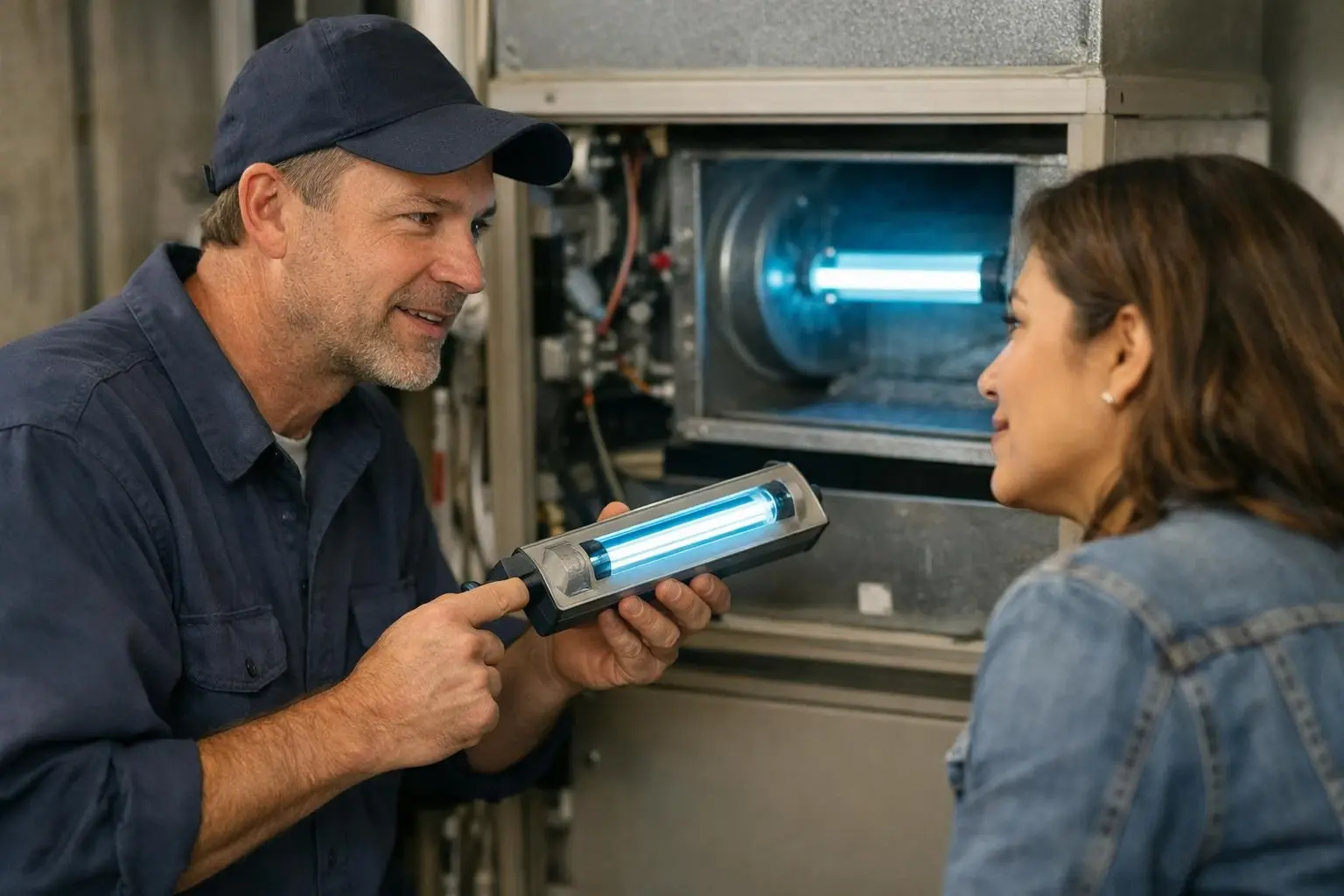
UV Air Purifiers play an important role in improving indoor air quality, especially in environments where airborne microorganisms pose health risks. For example, homes with allergy sufferers, individuals with respiratory conditions. Or families with young children can benefit from the reduction of mold, bacteria. And viruses in the air. These purifiers can also help reduce odors caused by microbial growth, such as musty smells from mold or mildew. By neutralizing these organisms, UV Air Purifiers contribute to a healthier living environment and can even extend the life of HVAC components by reducing mold growth on coils.
Another key benefit of UV Air Purifiers is their ability to work alongside other air cleaning methods. While they do not remove dust or allergens, they complement filters like HEPA or MERV-rated filters, which capture particles but do not address microorganisms. Together, these technologies can provide full air cleaning. And UV Air Purifiers are a low-maintenance option compared to filters, which require regular replacement. Although the UV bulbs need annual replacement, the overall upkeep is minimal, making them a convenient choice for many homeowners.
When UV Air Purifier Matters Most?
UV Air Purifiers are particularly valuable in situations where indoor air quality is a concern or where microorganisms are likely to thrive. For example, homes in humid climates, like Lewisville, TX, are prone to mold growth due to high moisture levels. A UV Air Purifier can help prevent mold spores from circulating through the HVAC system, reducing the risk of mold-related health issues and odors. Similarly, households with pets, smokers. Or frequent guests may benefit from the purifier’s ability to neutralize bacteria and viruses that can spread illness.
In practice, UV Air Purifiers are also useful in commercial settings, such as offices, schools. Or healthcare facilities, where large groups of people gather and airborne illnesses can spread quickly. In these environments, the purifier can help reduce sick days and improve overall air quality. And homes with HVAC systems that have experienced mold growth on coils or in ducts may find UV purifiers helpful in preventing recurrence. But What you need to know is to address the root cause of mold growth, such as excess moisture, in addition to using a UV purifier.
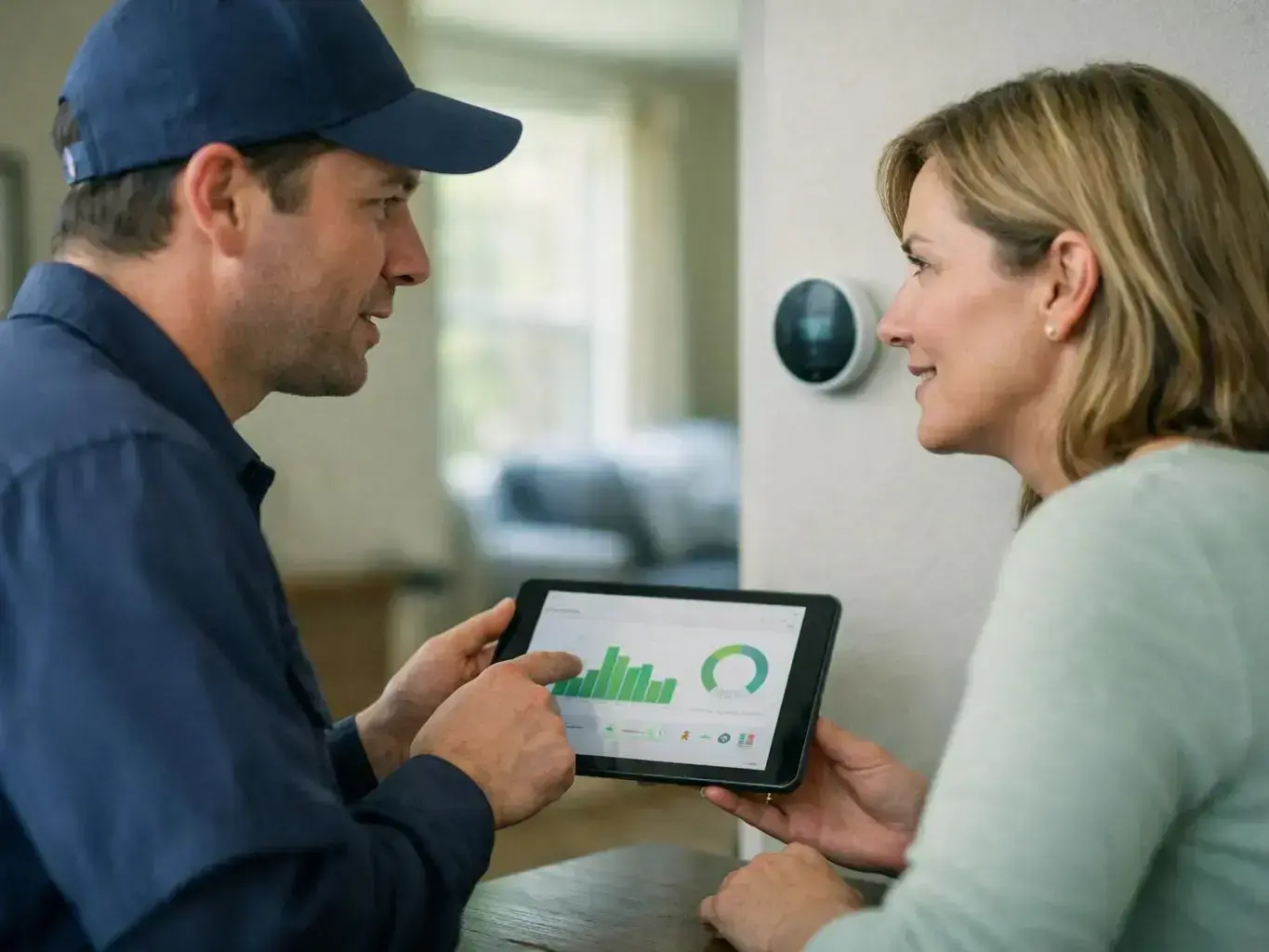
For homeowners considering a UV Air Purifier, it's important to evaluate their specific needs. While UV purifiers are effective against microorganisms, they do not replace the need for particle filtration. Combining a UV purifier with a high-quality air filter can provide the best results for overall air quality. In practice. And proper installation and maintenance are critical to ensuring the purifier works as intended. Consulting with an HVAC professional can help determine whether a UV Air Purifier is the right solution for a particular home or building.