Understanding Humidifier
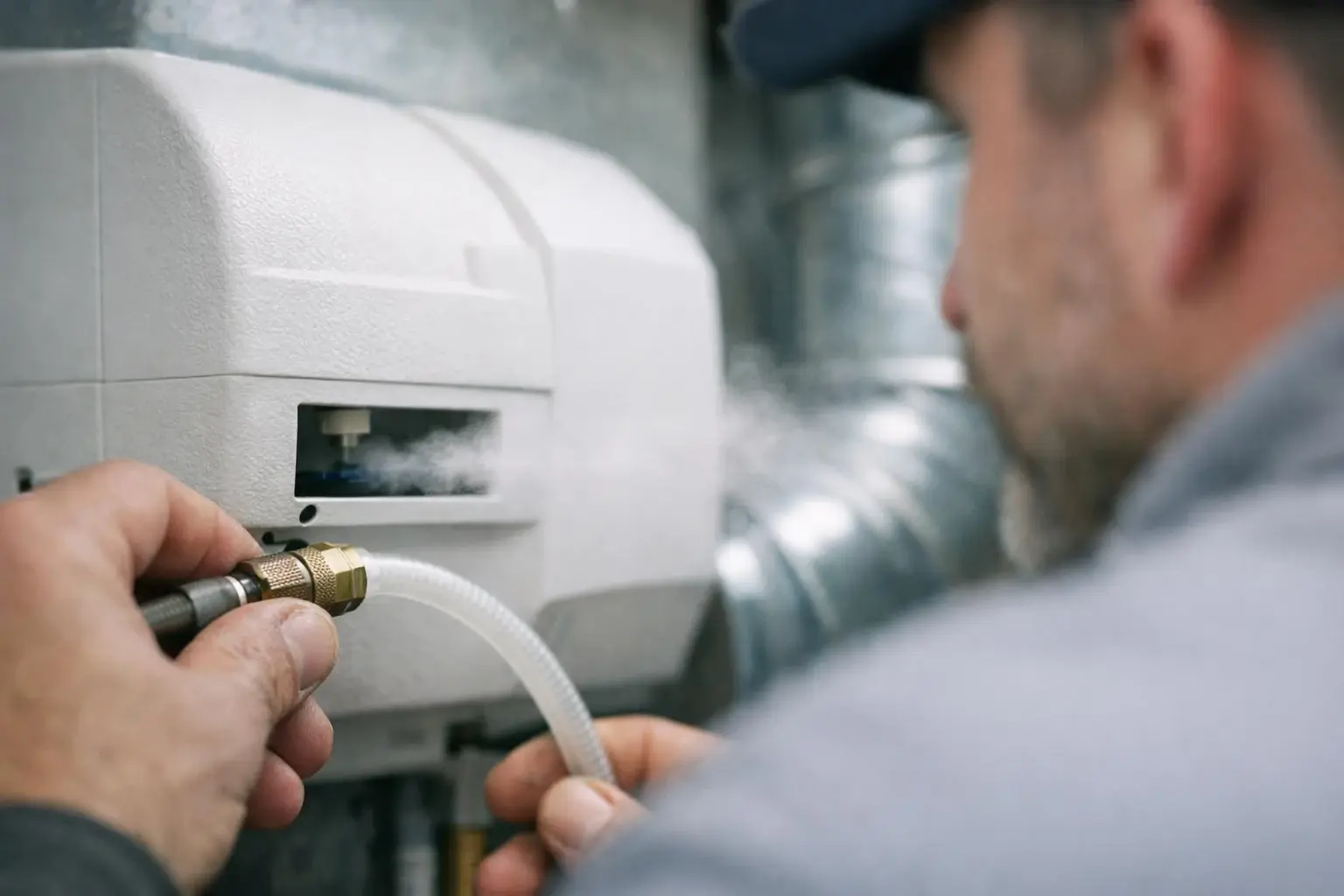
A humidifier puts water into the air. It helps when indoor air gets too dry. This often happens in winter or dry places.
Related glossary terms: Indoor Air Quality, HVAC Load Calculation, Thermostat.
Dry air can cause problems. It can make skin dry or lips chapped. It can also irritate your nose.
Humidifiers add moisture to the air. This helps you feel better. It can also keep you healthier.
Experts say to keep humidity between 30% and 50%. This range feels good. It’s also safe for your home.
Humidifiers come in many sizes. Some are small for one room. Others are big for the whole house.
Pick the right type for your needs. Think about room size and climate. Also, think about who lives there.
Families with kids may like humidifiers. They help kids breathe easier. They can also help with allergies.
How Humidifier Works?
Humidifiers add moisture in different ways. The type depends on how it works. Common types include evaporative and ultrasonic.
Evaporative humidifiers use a fan. The fan blows air through a wet filter. This adds moisture to the air.
Ultrasonic humidifiers use vibrations. These create a fine mist. The mist goes into the air.
Impeller humidifiers use a spinning disk. The disk flings water into a diffuser. This breaks water into tiny drops.
Steam vaporizers heat water. They make steam. The steam cools a little before it goes into the air.
Most humidifiers have a water tank. You need to refill it often. Some have a humidistat (a device that checks humidity).
The humidistat turns the humidifier on or off. It keeps humidity at the right level. This stops too much moisture.
Too much humidity can cause problems. It can make windows wet. It can also grow mold or dust mites.
Clean your humidifier often. Change filters too. This keeps it working well. It also stops bacteria or mold.
Why Humidifier Matters?
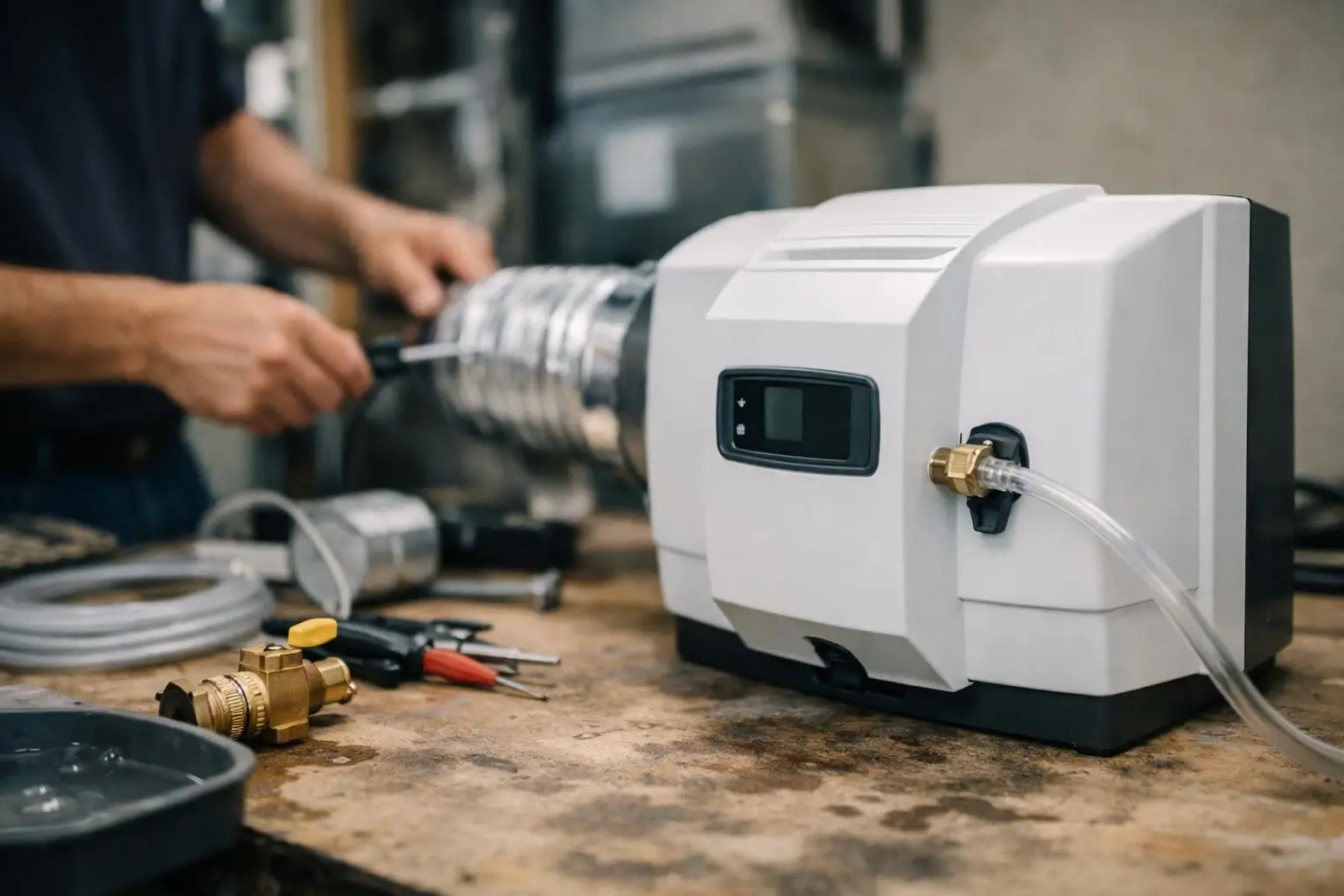
Humidifiers make indoor air better. This helps in cold or dry times. Dry air can cause many issues.
Dry air can dry your skin. It can make your throat sore. It can also cause static electricity.
People with allergies or asthma may feel worse. Dry air can irritate their airways. Humidifiers help by adding moisture.
Moist air soothes dry noses. It can stop coughing. It also makes breathing easier.
Humidifiers protect wood too. They keep furniture from cracking. They also stop floors or instruments from warping.
But use humidifiers the right way. Too much humidity can cause problems. It can grow mold or bacteria.
Too much moisture can wet windows. It can also damage walls. Use a hygrometer (a humidity meter) to check levels.
Follow the cleaning instructions. This keeps your humidifier safe. In Lewisville, TX, winter air can get dry.
A humidifier can help. It makes indoor air more comfortable. It’s a good addition for many homes.
When Humidifier Matters Most?
Humidifiers help when air gets too dry. This often happens in winter. Heating systems make air very dry.
People in dry places may need them all year. North Texas has dry air. A humidifier can help there too.
Homes with kids or elderly people may need one. It helps them breathe easier. It can also help with allergies or asthma.
Humidifiers protect things too. Dry air can damage wood. Musicians use them for guitars or pianos.
Wood floors or furniture can crack. Humidifiers stop this. They keep wood from warping.
Offices may use humidifiers too. They stop static electricity. This protects computers and other electronics.
Clean your humidifier often. Check humidity levels too. This keeps it working well and safe.