Understanding Two-Stage Furnace

A two-stage furnace is a heating system designed to provide more precise temperature control and improved energy efficiency. Unlike traditional single-stage furnaces that operate at full capacity whenever they turn on, a two-stage furnace has two levels of heat output: low and high. The low stage typically runs at about 60-70% of the furnace's full heating capacity. While the high stage operates at 100%. So you can the furnace to match its output more closely to the actual heating needs of the home.
Related glossary terms: Heat Exchanger, Annual Fuel Utilization Efficiency, Thermostat.
Two-stage furnaces are particularly useful in regions where winter temperatures fluctuate frequently. On milder days, the furnace can run in low stage, using less fuel and operating more quietly. When temperatures drop significantly, the furnace automatically switches to high stage to provide the extra heat needed. This staged operation helps reduce temperature swings, improves indoor air quality by running the blower longer. And can lead to energy savings over time.
How Two-Stage Furnace Works?
The operation of a two-stage furnace is controlled by a two-stage thermostat and a special gas valve that can adjust the flow of gas to the burner. When the thermostat calls for heat, the furnace first starts in low stage. If the low stage can't maintain the desired temperature after a set period—usually around 10-15 minutes—the control board signals the gas valve to open fully, switching to high stage. This process is automatic and requires no input from the homeowner.
The furnace's blower motor also plays a key role in two-stage operation. In low stage, the blower runs at a lower speed, circulating air more slowly but more consistently. This helps distribute heat more evenly throughout the home and allows the furnace to run for longer cycles. Longer run times help filter the air more effectively and reduce the temperature variations that can occur with shorter, high-capacity heating cycles. When the furnace switches to high stage, the blower increases to full speed to handle the higher heat output.
Why Two-Stage Furnace Matters?
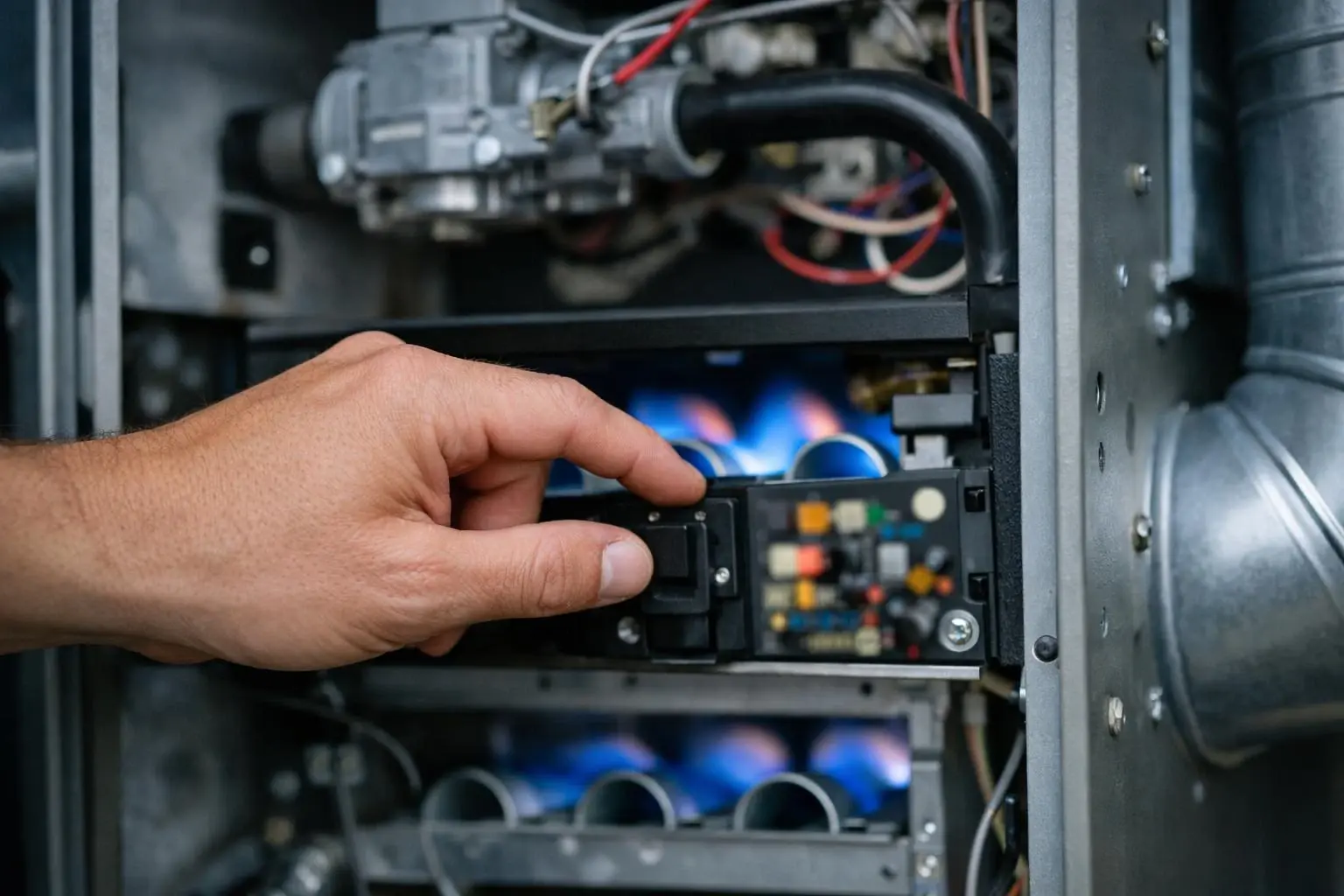
The primary advantage of a two-stage furnace is its ability to improve both comfort and efficiency. By running at a lower capacity most of the time, the furnace avoids the frequent on-off cycling typical of single-stage models. This reduces temperature swings, eliminates cold spots. And minimizes the noise associated with starting and stopping. The longer run times also help maintain more consistent humidity levels and improve air filtration, which can be beneficial for indoor air quality.
From an energy perspective, two-stage furnaces can be more efficient because they use less fuel during low-stage operation. While the efficiency gain varies depending on climate and usage patterns, many homeowners see a reduction in their heating bills over time. The initial cost of a two-stage furnace is higher than a single-stage model. But the energy savings and improved comfort can offset the difference over the furnace's lifespan, which typically ranges from 15 to 20 years with proper maintenance.
When Two-Stage Furnace Matters Most?
Two-stage furnaces are most beneficial in regions with moderate to cold winters where temperatures frequently fluctuate. In areas where winter temperatures stay consistently cold, a single-stage furnace may be sufficient, as It'll often run at full capacity regardless. But in climates where temperatures vary—such as rising above freezing during the day and dropping below at night, a two-stage furnace can adapt to these changes, providing better comfort and efficiency.
These furnaces are also a good choice for homeowners who prioritize quiet operation, consistent temperatures. And improved air quality. Because the furnace runs longer at lower speeds, it distributes heat more evenly and reduces the drafts and temperature swings that can occur with single-stage models. And the longer blower run times help filter the air more thoroughly, which can be particularly important for households with allergies or respiratory concerns. When replacing an older furnace or upgrading a heating system, homeowners should consider their local climate, budget. And comfort preferences to determine if a two-stage furnace is the right choice.