Glossary

What is Annual Fuel Utilization Efficiency?

Annual Fuel Utilization Efficiency is a standardized measure of how efficiently a gas or oil furnace converts fuel into usable heat over an entire heating season. Expressed as a percentage, it accounts for cycling losses, standby losses. And combustion efficiency, providing a realistic estimate of a furnace’s performance in real-world conditions.

Sources reviewed: U.S. Department of Energy - Appliance Standards, Federal Trade Commission - Appliance Labeling Rule

Quick Facts About Annual Fuel Utilization Efficiency

Category

HVAC efficiency metric

Used for

Comparing furnace efficiency

Common confusion

AFUE vs. Steady-state combustion efficiency

Also called

AFUE, Furnace efficiency rating

Often discussed with

Heating Installation, Heating Maintenance

Key Takeaways About Annual Fuel Utilization Efficiency

Understanding Annual Fuel Utilization Efficiency
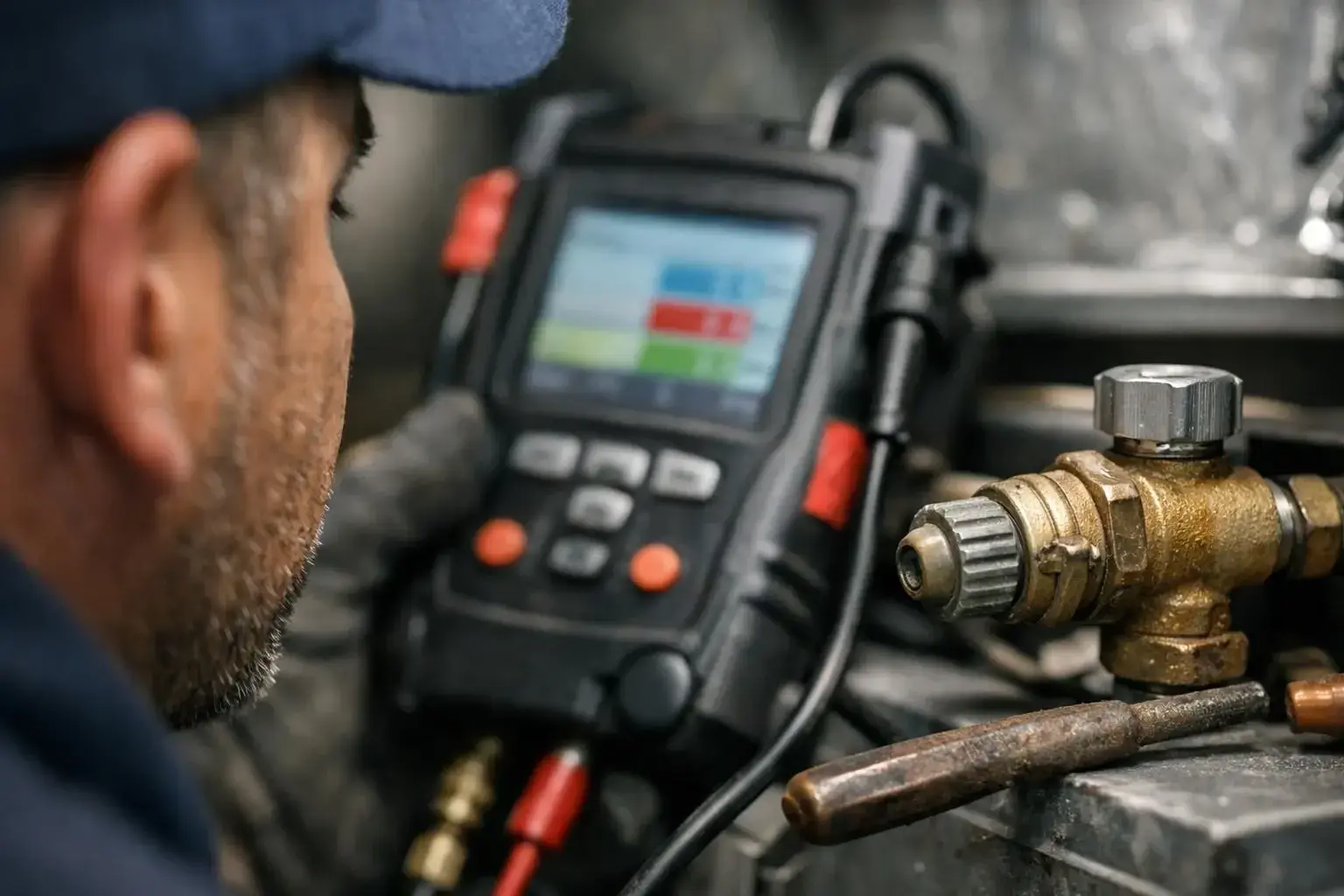
Annual Fuel Utilization Efficiency in HVAC Contractor: Annual Fuel Utilization Efficiency is a standardized measure of how...

AFUE stands for Annual Fuel Utilization Efficiency. It shows how well a furnace turns fuel into heat.

Related glossary terms: Heat Exchanger, ENERGY STAR, HVAC Load Calculation.

Fuel can be natural gas, propane. Or oil. AFUE looks at heat made over a whole heating season.

Other ratings just check how furnaces work when running steady. AFUE also counts energy lost when starting or stopping.

That makes AFUE a better way to see real furnace performance.

AFUE is shown as a percentage. A 90% AFUE means 90% of fuel becomes heat for your home.

The other 10% is lost. It goes out as exhaust or other waste.

Old furnaces often have AFUE ratings of 56-70%. New ones can reach 90-98%.

This difference saves you money on fuel over time.

How Annual Fuel Utilization Efficiency Is Measured?

AFUE is tested by the U.S. Department of Energy. They use a set way to test furnaces.

The test acts like a real heating season. It includes many times turning on and off.

The test compares total heat made to total fuel used. It counts losses from exhaust and chimneys.

Furnaces must show their AFUE rating. This helps homeowners compare them.

The Federal Trade Commission requires this label. It's part of the Appliance Labeling Rule.

ENERGY STAR uses AFUE ratings too. They find the most efficient products.

AFUE doesn't count duct losses. But it's still the best way to compare furnaces.

Why Annual Fuel Utilization Efficiency Matters?
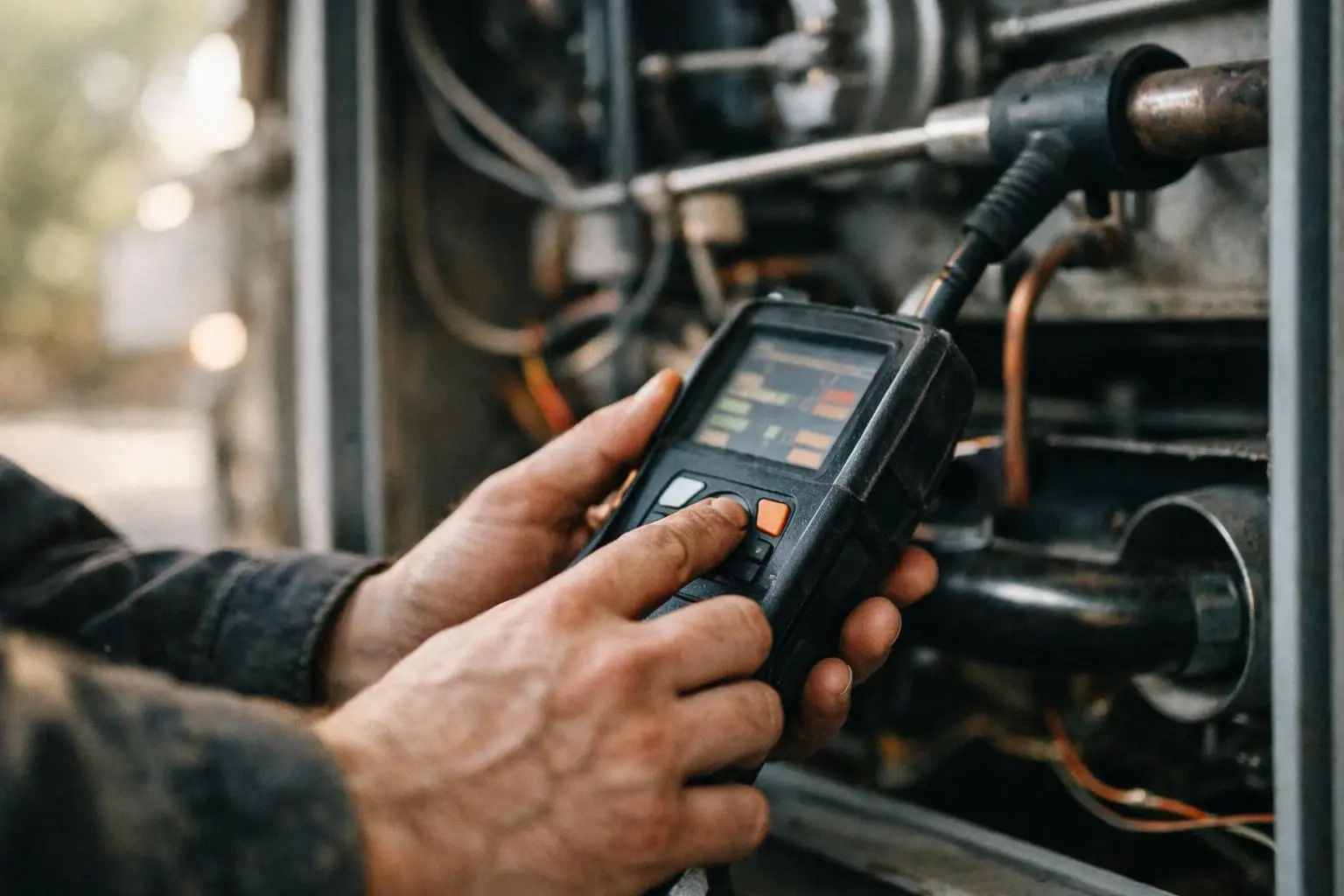
How Annual Fuel Utilization Efficiency applies to HVAC Contractor services in Lewisville, United States—practical illustra...

AFUE affects your energy costs. It also changes your impact on the environment.

A higher AFUE means less fuel for the same heat. This cuts your bills and pollution.

Over 15-20 years, a high-efficiency furnace saves money. It can pay back its higher cost.

This is especially true where winters are long.

AFUE also changes comfort. High-efficiency furnaces have special features.

They might have blowers that change speed. They can also have sealed combustion.

These improve air quality and keep temperatures steady. But they may need more upkeep.

Some need special vents or drains. Think about this when picking a furnace.

When Annual Fuel Utilization Efficiency Matters Most?

AFUE matters when replacing a furnace. It's important for new homes too.

It also helps during energy checks. Picking a higher AFUE can cut energy bills a lot.

This is true in places like North Texas. Heating needs are steady but not extreme.

AFUE also helps compare fuel types. Gas and oil systems have different efficiency.

AFUE is used for building codes. It's also used for rebate programs.

Many programs give money back for high-efficiency furnaces. Some offer tax credits too.

In Lewisville, TX, energy costs change. Humidity levels change too.

A good AFUE rating balances efficiency, comfort. And savings.
How to Evaluate Annual Fuel Utilization Efficiency?

Related Concepts Compared

Annual Fuel Utilization Efficiency vs. Steady-state combustion efficiency

Steady-state efficiency measures performance only during continuous operation, ignoring startup and shutdown losses. While AFUE accounts for the entire heating season.

Annual Fuel Utilization Efficiency vs. Seasonal Energy Efficiency Ratio (SEER)

SEER measures cooling efficiency for air conditioners and heat pumps. While AFUE measures heating efficiency for furnaces.

Expert Note

AFUE is a valuable tool for comparing furnaces. But it doesn’t account for duct losses or distribution inefficiencies. A high-AFUE furnace in a poorly insulated home may still underperform. So always pair efficiency upgrades with proper insulation and duct sealing.

Common Mistakes or Myths About Annual Fuel Utilization Efficiency

  • Assuming AFUE accounts for duct losses—it only measures furnace efficiency, not distribution.
  • Confusing AFUE with steady-state combustion efficiency, which ignores real-world losses.
  • Believing a higher AFUE always justifies a higher upfront cost without considering climate or usage.
  • Ignoring maintenance needs: high-efficiency furnaces often require more upkeep.

Annual Fuel Utilization Efficiency in Practice: A Real-World Example

A homeowner in Lewisville, TX, replaces an old 60% AFUE furnace with a new 95% AFUE model. Over a typical heating season, the new furnace uses about 37% less fuel to produce the same amount of heat, reducing energy bills and environmental impact.

Sources & Further Reading on Annual Fuel Utilization Efficiency

  • U.S. Department of Energy - Appliance Standards
  • Federal Trade Commission - Appliance Labeling Rule
  • ENERGY STAR - Furnaces

Related Services

Related Terms

Heat Exchanger

Heat Exchanger is a critical component in HVAC systems that transfers heat from one medium to another without mixing them. In furnaces, it moves heat from combustion gases to the air circulated through ducts. In air conditioners, it removes heat from indoor air and releases it outside. Proper operation ensures efficiency, safety. And comfort in heating and cooling systems.

ENERGY STAR

ENERGY STAR is a voluntary U.S. Government-backed program created by the Environmental Protection Agency (EPA) to help consumers and businesses save money and reduce pollution by identifying energy-efficient products and buildings. ENERGY STAR products meet strict efficiency guidelines set by the EPA, often exceeding federal standards without sacrificing performance or features.

HVAC Load Calculation

HVAC Load Calculation is a detailed process that determines how much heating or cooling a building needs to stay comfortable year-round. It considers factors like room size, insulation, windows, occupants. And local climate to size equipment correctly and avoid energy waste or poor performance.

Two-Stage Furnace

Two-Stage Furnace is a type of gas furnace that operates at two distinct heating levels: a low stage for mild weather and a high stage for colder temperatures. This design allows the furnace to adjust its output automatically, improving energy efficiency and maintaining more consistent indoor temperatures compared to single-stage furnaces.

Indoor Air Quality

Indoor Air Quality is the condition of the air inside buildings and structures, especially as it relates to the health and comfort of occupants. Indoor Air Quality measures pollutants such as dust, mold, pollen, carbon monoxide. And volatile organic compounds (VOCs), as well as temperature, humidity. And ventilation levels. Poor Indoor Air Quality can cause headaches, allergies, fatigue. And long-term respiratory issues.

ACRepairLewisvilleTX.com

Have Questions About Annual Fuel Utilization Efficiency?

Contact ACRepairLewisvilleTX.com for practical guidance on Annual Fuel Utilization Efficiency and related hvac contractor work in Lewisville.

(469) 460-3491