Understanding North American Technician Excellence
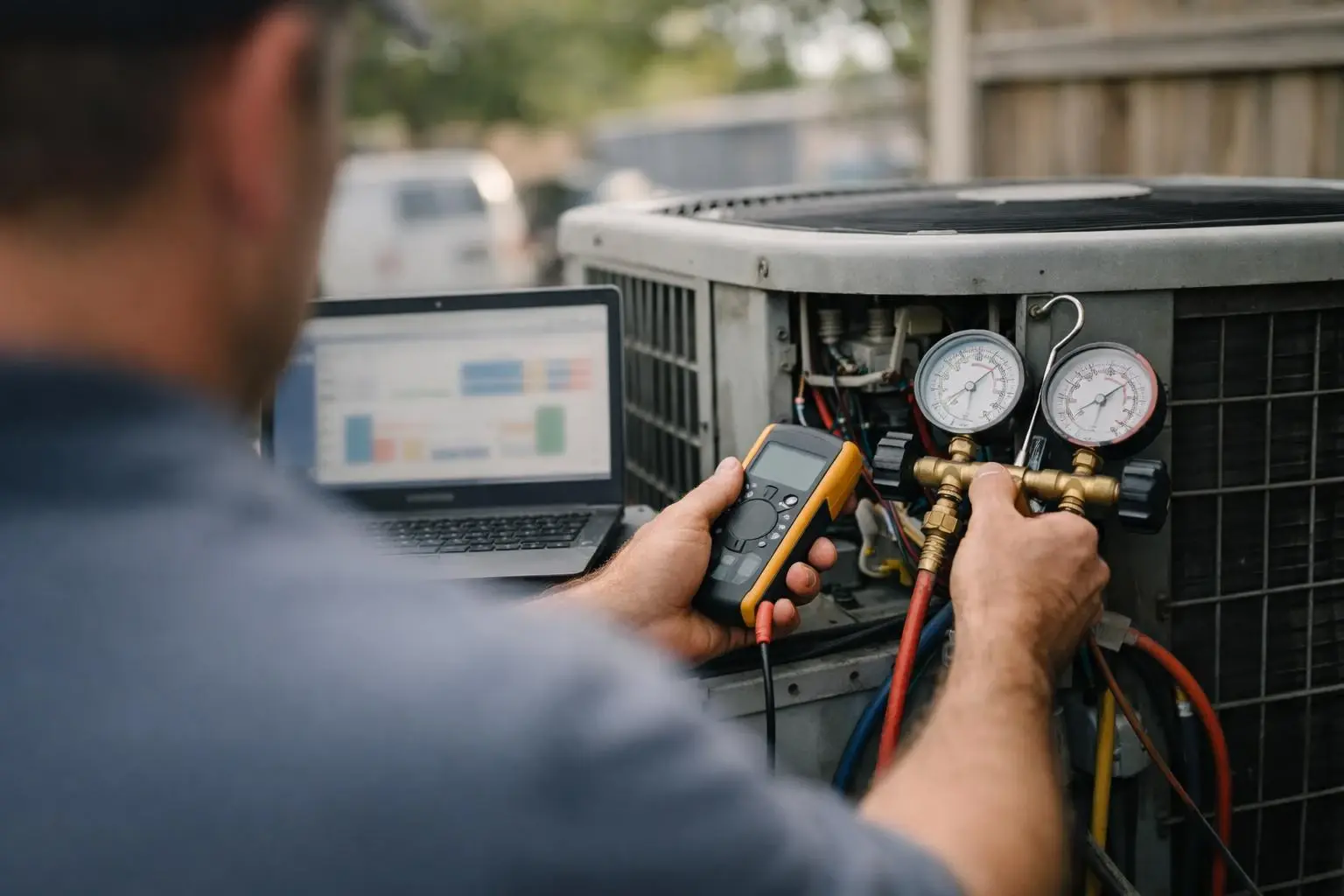
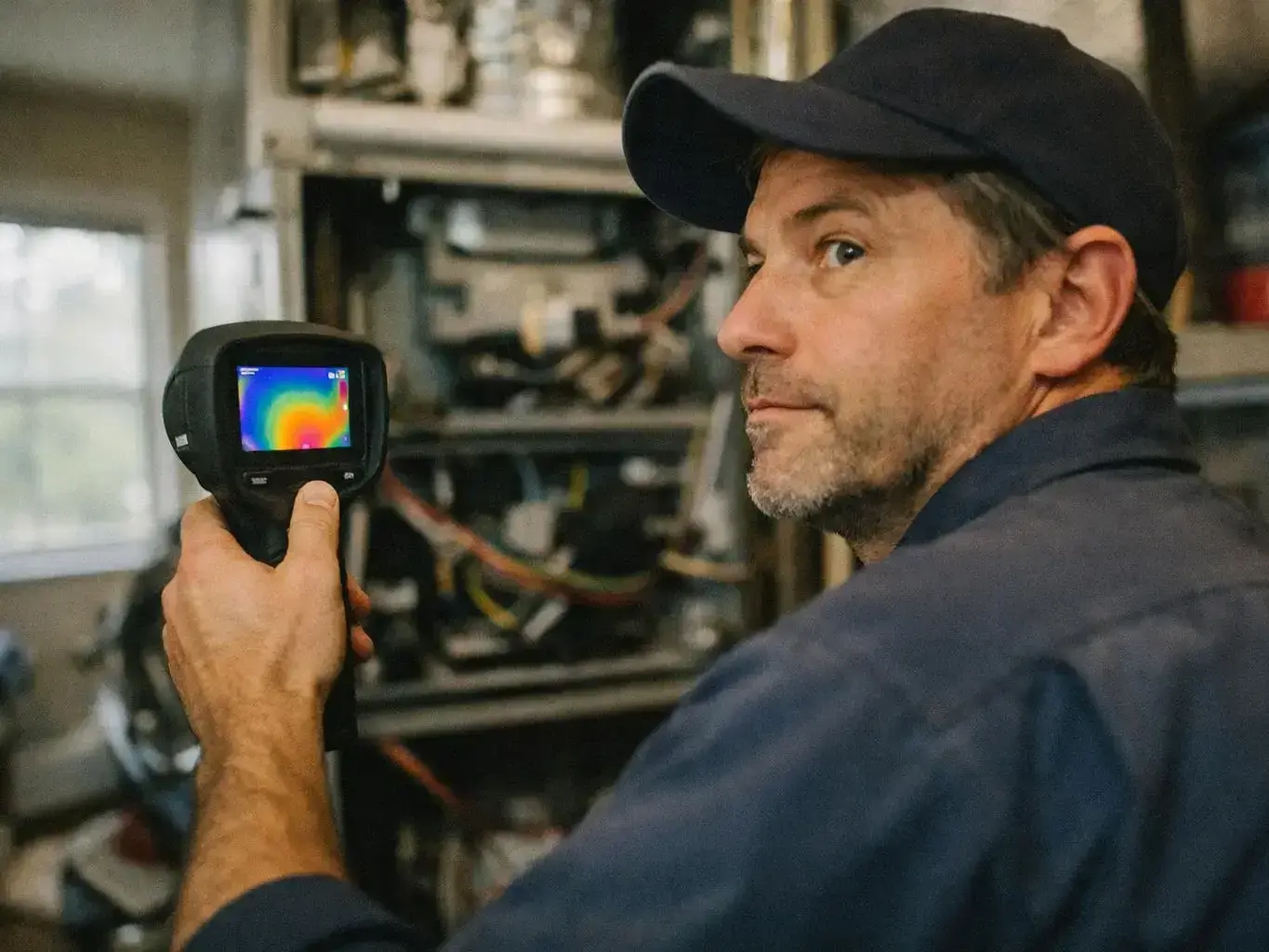
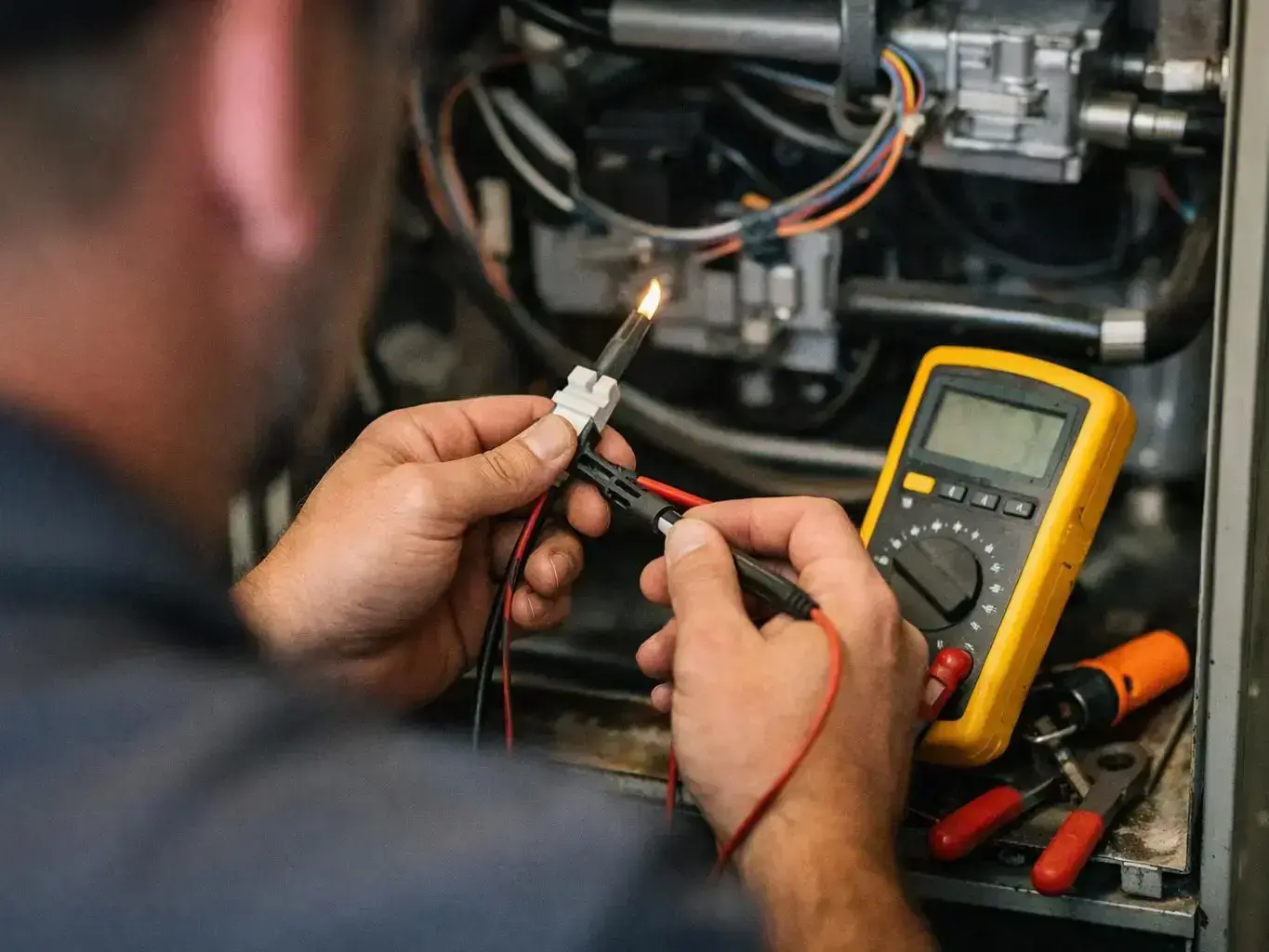
North American Technician Excellence (NATE) is the largest non-profit certification organization for HVAC and refrigeration technicians in North America. Founded in 1997, NATE develops and administers exams that measure a technician’s ability to perform real-world tasks. Unlike state licenses, which often focus on legal requirements, NATE certification focuses on technical competence. The exams cover topics like system installation, troubleshooting, refrigerant handling, electrical components. And safety protocols.
Related glossary terms: HVAC Load Calculation, Refrigerant, Evaporator Coil.
NATE certification is not required by law. But it's widely respected in the HVAC industry. Many employers prefer hiring NATE-certified technicians because the credential signals a higher level of expertise. For homeowners and businesses, choosing a NATE-certified technician can provide confidence that the work will be done correctly, safely. And efficiently. The certification process is rigorous, requiring technicians to pass both a core exam and at least one specialty exam in areas like air conditioning, heat pumps. Or gas furnaces.
How North American Technician Excellence Works?
NATE certification begins with a technician passing a core exam that covers fundamental topics like safety, tools. And basic HVAC principles. After passing the core exam, technicians must pass at least one specialty exam in a specific area, such as air distribution, commercial refrigeration. Or hydronics. The specialty exams are scenario-based, testing how well a technician can diagnose problems, select proper tools. And follow industry best practices.
Once certified, technicians must renew their credentials every two years. Renewal requires completing continuing education hours or retaking the exams. That way that certified technicians stay up-to-date with new technologies, regulations. And safety standards. NATE also offers advanced certifications, such as the Senior Level Efficiency Analyst exam, for technicians with extensive experience. The organization partners with training programs, trade schools. And employers to help technicians prepare for the exams.
Why North American Technician Excellence Matters?

NATE certification matters because it helps ensure that HVAC work is performed by knowledgeable professionals. Poorly installed or maintained systems can lead to safety hazards, higher energy bills. And frequent breakdowns. For example, improper refrigerant handling can damage equipment or harm the environment. While incorrect airflow calculations can reduce system efficiency. NATE-certified technicians are trained to avoid these issues, which can save homeowners and businesses money over time.
For technicians, earning NATE certification can lead to better job opportunities, higher pay. And greater job security. Many manufacturers and utility companies offer incentives, rebates. Or extended warranties for work performed by NATE-certified technicians. This recognition can make a significant difference in a competitive industry where trust and expertise are key factors for customers.
When North American Technician Excellence Matters Most?
NATE certification is especially important when hiring a technician for complex or high-stakes HVAC work. For example, installing a new system, repairing a major component like a compressor. Or handling refrigerants requires specialized knowledge. In these situations, a certified technician is more likely to complete the job correctly the first time, reducing the risk of callbacks or costly mistakes. Certification also matters when dealing with warranties, as some manufacturers require NATE-certified technicians to validate coverage.
In regions with extreme temperatures, like Lewisville, TX, reliable HVAC systems are critical for comfort and safety. Homeowners and businesses rely on technicians to keep systems running efficiently year-round. Choosing a NATE-certified technician can provide clear next steps, especially during peak seasons when demand for repairs and maintenance is high. And certification can be a deciding factor for commercial clients, such as property managers or restaurants, who need dependable service for their operations.