Glossary

What is Carbon Monoxide Detector?

Carbon Monoxide Detector is carbon Monoxide Detectors are small, battery-powered or hardwired devices that continuously monitor indoor air for carbon monoxide, a colorless, odorless gas produced by incomplete combustion of fuels like natural gas, propane, oil, wood. Or gasoline. When dangerous levels are detected, the device sounds a loud alarm to warn occupants and prompt evacuation or ventilation.

Sources reviewed: Underwriters Laboratories (UL) Standard 2034, U.S. Consumer Product Safety Commission (CPSC)

Quick Facts About Carbon Monoxide Detector

Category

Safety device

Used for

Detecting poisonous carbon monoxide gas

Common confusion

Often mistaken for smoke detectors, which detect fire, not gas

Also called

CO detector, carbon monoxide alarm

Often discussed with

Heating Repair, Heating Maintenance

Key Takeaways About Carbon Monoxide Detector

Understanding Carbon Monoxide Detector
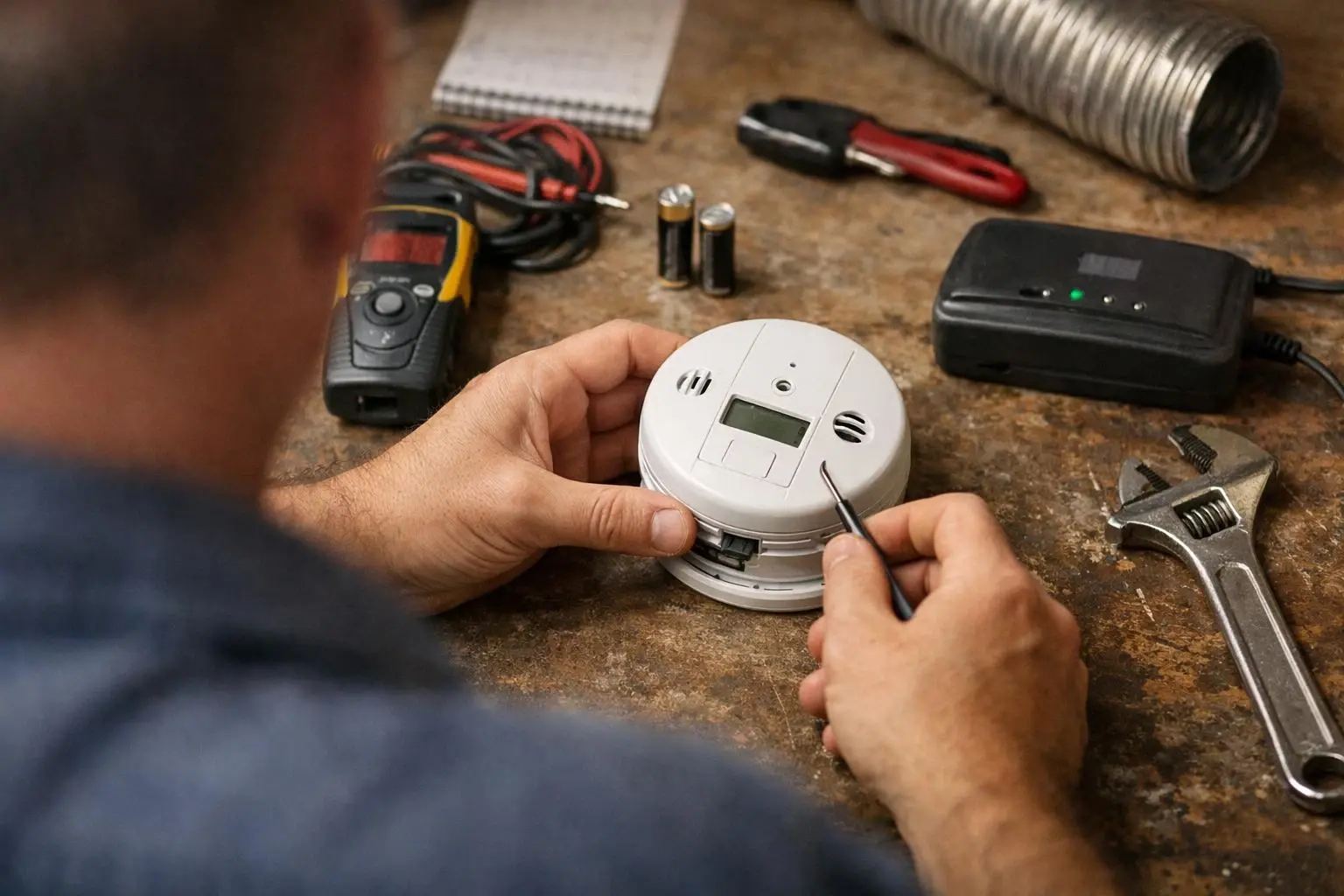
Carbon Monoxide Detector in HVAC Contractor: Carbon Monoxide Detector is carbon Monoxide Detectors are small, battery-powe...

Carbon monoxide detectors keep you safe. They protect people from carbon monoxide (CO) poisoning. CO is a toxic gas.

Related glossary terms: Indoor Air Quality, Heat Exchanger, HVAC Load Calculation.

It comes from fuels that don't burn right. These fuels include gas, oil, wood. Or propane. CO has no color or smell. You can't taste it either.

Detectors check the air all the time. They sound a loud alarm if CO gets too high. This gives you time to leave and fix the problem.

Smoke detectors and CO detectors are different. Smoke detectors find smoke from fires. CO detectors only look for the gas CO.

Homes with gas stoves, fireplaces. Or garages need them. Many homes have both in one device. But some still use just CO detectors.

How Carbon Monoxide Detectors Work?

CO detectors use three main types of sensors. One type is electrochemical sensors. They are the most common and work best.

These sensors have electrodes in a chemical. The chemical reacts with CO. This makes an electric current. The current tells how much CO is there.

When CO gets too high, the alarm goes off. Most detectors measure CO in parts per million (ppm). This is how much CO is in the air.

Safety groups set limits for CO. The EPA and UL are two groups. UL detectors must alarm fast at high CO levels.

At 100 ppm, they alarm in 90 minutes. At 200 ppm, they alarm in 35 minutes. At 400 ppm, they alarm in 15 minutes.

Some detectors show CO levels right now. They also track exposure over time. This gives extra safety info.

Where you put the detector matters. Put it on a wall or ceiling. It should be knee to chest high.

Don't put it in corners or blocked spots. Don't put it right above stoves or heaters. This can cause false alarms.

Put it at least 15 feet from furnaces or stoves. This helps it work right.

Why Carbon Monoxide Detectors Matter?
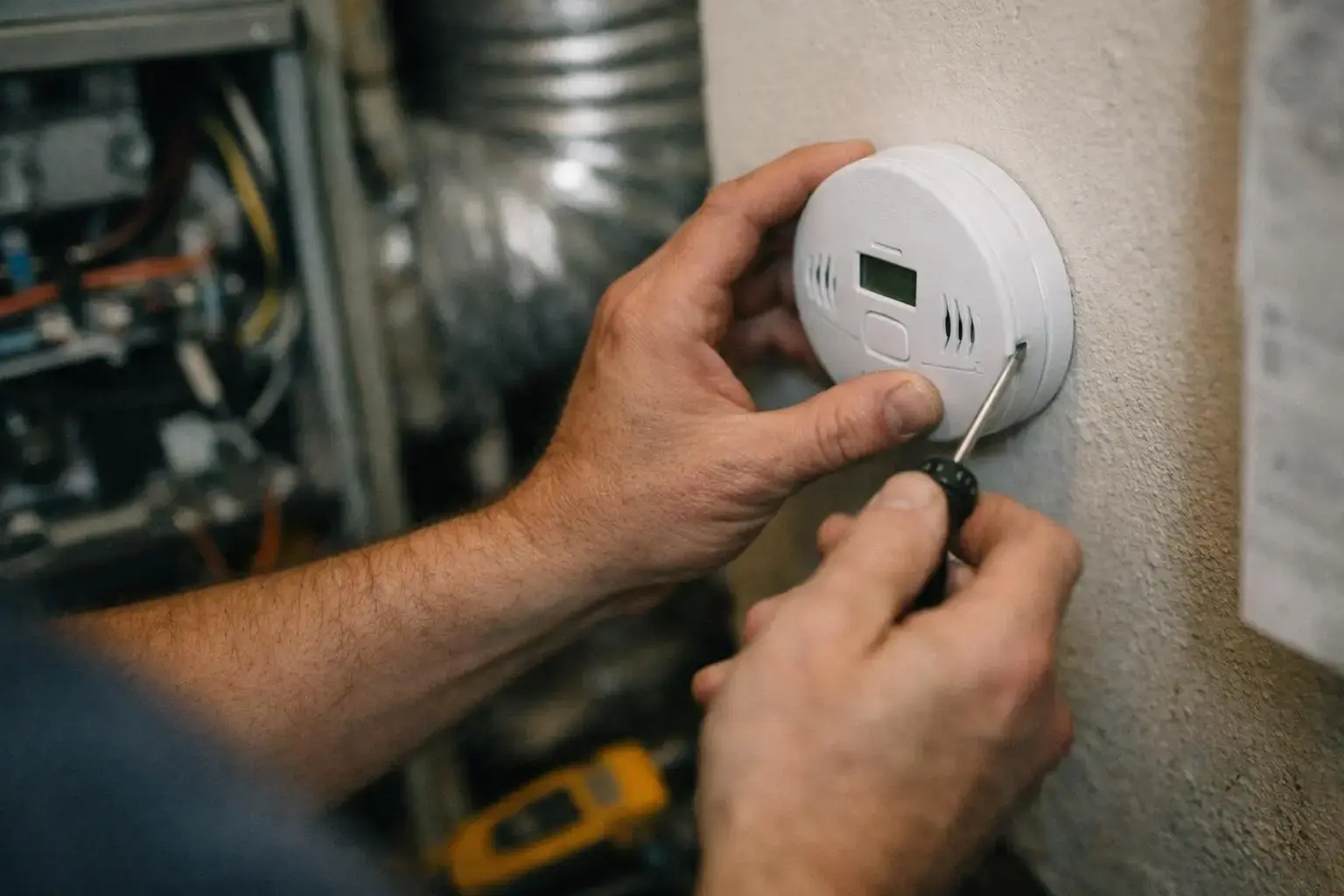
How Carbon Monoxide Detector applies to HVAC Contractor services in Lewisville, United States—practical illustration

CO poisoning sends many to the hospital. It causes hundreds of deaths each year. Signs include headache, dizziness. And nausea.

These signs look like the flu. This can lead to wrong diagnoses. High CO can cause passing out or death fast.

CO stops oxygen from reaching your body. Long exposure can hurt your brain or heart. This can happen even if you live.

Detectors give early warnings. They save lives. They are very important in cold months.

Furnaces and heaters run more then. This raises the risk of CO. Many states, like Texas, have laws about detectors.

Homes with garages or gas stoves need them. Following these laws keeps people safe. It also helps property owners.

When Carbon Monoxide Detectors Matter Most?

Detectors are key in many cases. In winter, furnaces run all the time. Detectors watch for leaks from broken parts.

Homes with gas stoves or fireplaces need them. They protect against broken appliances. They also help if vents don't work right.

After storms, power can go out. People may use generators inside. This can cause deadly CO risks.

Check heating systems often. This lowers the chance of CO leaks. But detectors are still your last safety step.

Many insurance companies want CO detectors. They may ask for them in home checks. Landlords can protect tenants with detectors.

This is a cheap and easy way to follow laws. Even homes without gas can get CO. It can come from garages or cars outside.
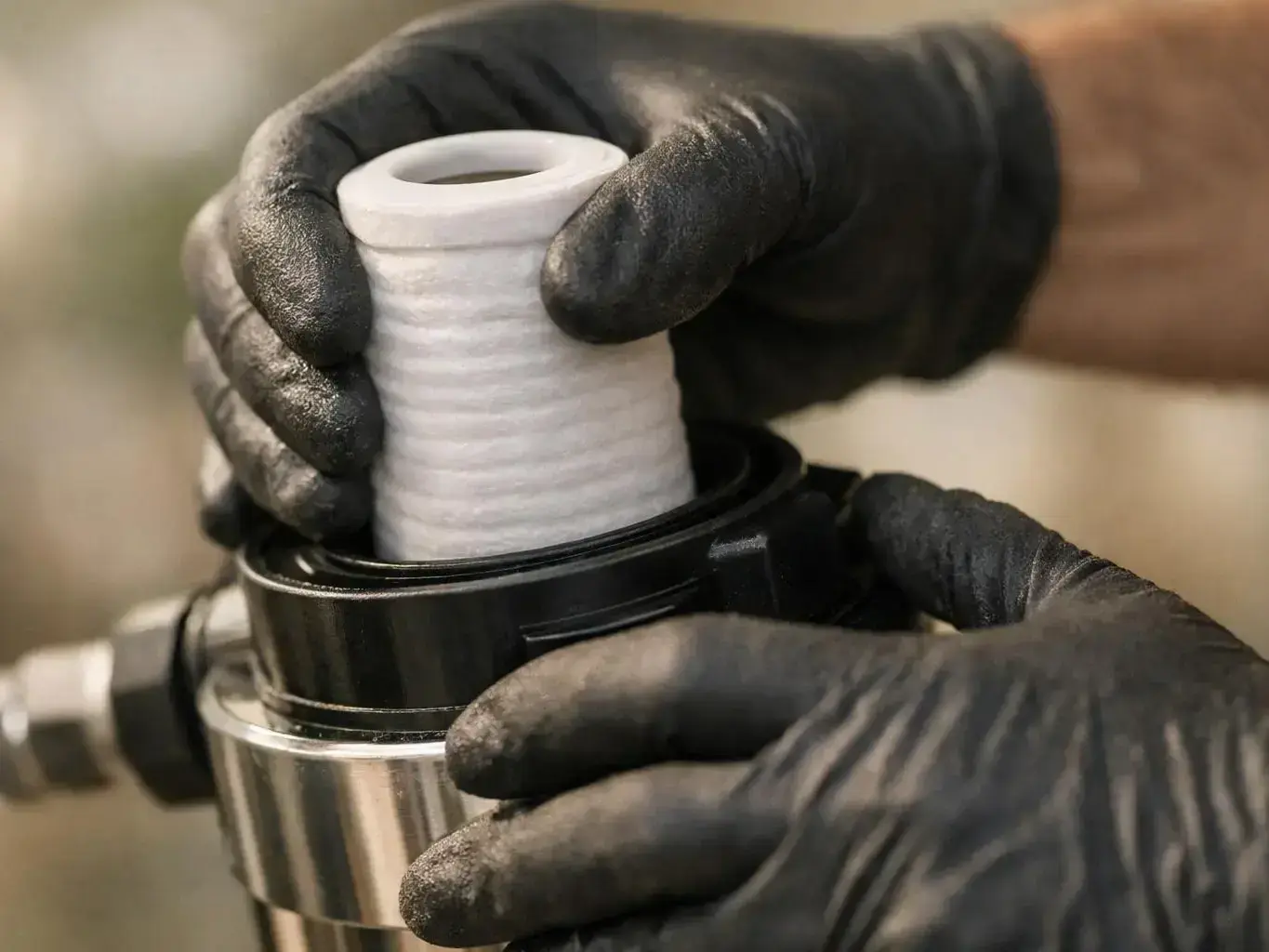
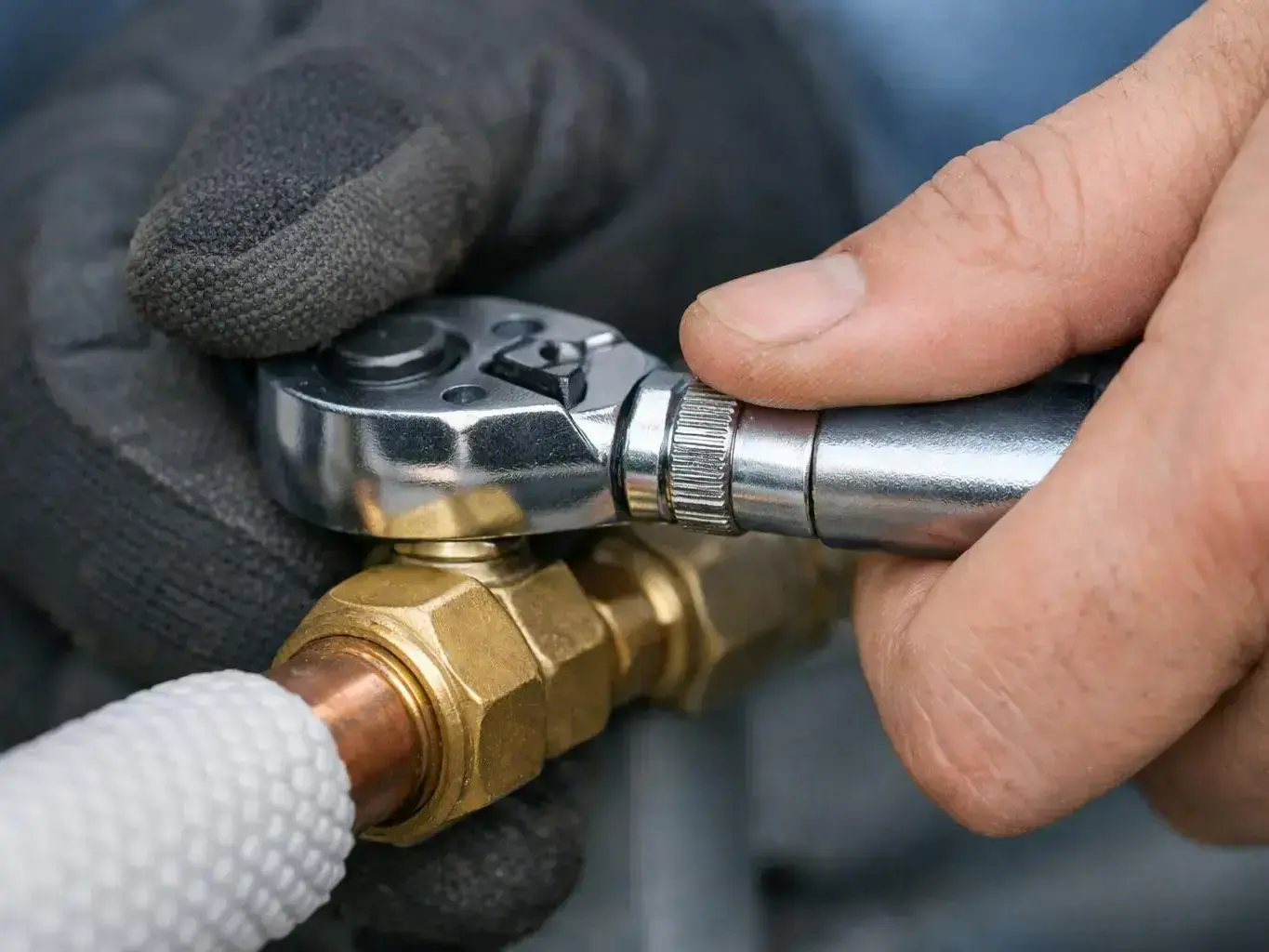
How to Evaluate Carbon Monoxide Detector?

Related Concepts Compared

Carbon Monoxide Detector vs. Smoke detector

Smoke detectors sense smoke particles from fires. While carbon monoxide detectors sense invisible CO gas from fuel combustion.

Carbon Monoxide Detector vs. Gas leak detector

Gas leak detectors identify flammable gases like natural gas or propane, not toxic carbon monoxide.

Expert Note

Carbon monoxide detectors are not a substitute for professional HVAC inspections. A detector may save lives in an emergency. But regular maintenance of furnaces, chimneys. And vents prevents CO buildup in the first place. Always address the source of a CO alarm, not just the alarm itself.

Common Mistakes or Myths About Carbon Monoxide Detector

  • Installing detectors near windows, doors. Or vents where airflow can prevent accurate readings.
  • Ignoring a chirping detector, assuming it’s just a low battery when it may signal end-of-life or a real CO leak.
  • Placing detectors in garages or kitchens where normal appliance operation could trigger false alarms.
  • Assuming a home without gas appliances doesn’t need a CO detector—CO can come from attached garages or outdoor sources.
  • Failing to test detectors monthly or replace them every 5-7 years as recommended.

Carbon Monoxide Detector in Practice: A Real-World Example

During a cold winter night, a family in Lewisville, TX, begins experiencing headaches and dizziness. Their carbon monoxide detector suddenly sounds, alerting them to dangerous CO levels from a cracked furnace heat exchanger. They evacuate and call emergency services, who confirm the leak and arrange repairs before anyone is seriously harmed.

Sources & Further Reading on Carbon Monoxide Detector

Related Services

Related Terms

Indoor Air Quality

Indoor Air Quality is the condition of the air inside buildings and structures, especially as it relates to the health and comfort of occupants. Indoor Air Quality measures pollutants such as dust, mold, pollen, carbon monoxide. And volatile organic compounds (VOCs), as well as temperature, humidity. And ventilation levels. Poor Indoor Air Quality can cause headaches, allergies, fatigue. And long-term respiratory issues.

Heat Exchanger

Heat Exchanger is a critical component in HVAC systems that transfers heat from one medium to another without mixing them. In furnaces, it moves heat from combustion gases to the air circulated through ducts. In air conditioners, it removes heat from indoor air and releases it outside. Proper operation ensures efficiency, safety. And comfort in heating and cooling systems.

HVAC Load Calculation

HVAC Load Calculation is a detailed process that determines how much heating or cooling a building needs to stay comfortable year-round. It considers factors like room size, insulation, windows, occupants. And local climate to size equipment correctly and avoid energy waste or poor performance.

Ductwork

Ductwork is a network of tubes, typically made of sheet metal, fiberglass. Or flexible plastic, installed in homes and buildings to distribute heated or cooled air from HVAC systems. Ductwork carries air from furnaces, air conditioners. Or heat pumps to rooms and returns stale air back to the system for reconditioning, ensuring consistent indoor comfort and air quality.

ACRepairLewisvilleTX.com

Have Questions About Carbon Monoxide Detector?

Contact ACRepairLewisvilleTX.com for practical guidance on Carbon Monoxide Detector and related hvac contractor work in Lewisville.

(469) 460-3491